Market overview and demand for aluminium doors and windows
Current market size and growth outlook
South Africa’s urban renewals keep aluminium door and window manufacturing humming, signaling durable demand. We see the market size sit in the billions of rand, with a growth outlook in the mid single digits over the next five years. Builders want lightweight, weather-resistant enclosures for high-rise and coastal projects!
- Energy efficiency standards driving retrofits
- Coastal durability against corrosion
- Design flexibility for modern spaces
- Low maintenance with long lifespans
In SA, installers and manufacturers closely watch supply chains, energy codes, and consumer appetite for sustainable fenestration. For door and window manufacturing, the payoff lies in corrosion resistance, recyclability, and a compelling lifecycle cost that keeps demand climbing across residential and commercial sectors.
Regional market dynamics and opportunities
South Africa’s urban renewals stand as a quiet leviathan, and the forecast for aluminium door and window manufacturing is a mid-single-digit ascent over the next five years. Builders crave lightweight, weather-ready envelopes that endure the coastal kiss of salt spray and the brutal cadence of city climates, all without surrendering style.
- Coastal markets demand corrosion-resistant alloys and precise moisture sealing to withstand salt-laden air.
- Urban renewal programs favor modular, scalable systems that shorten installation windows and reduce on-site disruptions.
- Local supply chains fortify resilience, trimming lead times and nurturing regional jobs across the fenestration ecosystem.
In this shadowed marketplace, those who marry craft with practicality will find opportunities in customizable profiles, recyclability, and lifecycle value—elements that keep demand climbing across residential and commercial horizons in South Africa.
Competitive landscape and value chain players
Market overview and demand: South Africa’s urban renewal rhythm is matter-of-fact and stubborn, feeding the momentum of aluminium door and window manufacturing. Builders crave lightweight, weather-ready envelopes that shrug off coastal salt spray and brutal city climates, all while keeping style intact. The segment favors modular designs, long-life coatings, and precise moisture sealing—features that translate into faster install windows and healthier project cash-flows.
Competitive landscape and value chain players: The ecosystem spans alloy suppliers, extruders, fabricators, glass processors, powder coaters, and installers. A streamlined value chain accelerates projects from concept to handover, with after-sales support as the secret sauce.
- Alloy suppliers and extruders
- Fabricators and powder coaters
- Glazing partners and installers
- Distributors and hardware suppliers
Impact of regulatory and policy trends on demand
Policy is moving faster than the market, shaping demand for aluminium door and window manufacturing in South Africa! Regulators push energy efficiency, moisture control, and durable coatings, turning building envelopes into performance assets rather than simple shells. In coastal and urban districts alike, design choices must withstand salt spray, heat, and wind.
Policy shifts are nudging buyers toward longer-lasting, standards-compliant products. Green building requirements, local content rules, and procurement incentives are reshaping the supply chain, favoring reliable coatings and corrosion-resistant profiles.
- Energy efficiency codes and green standards
- Local procurement and job creation mandates
- Durability and moisture-control requirements
Across the board, aluminium door and window manufacturing players align their offerings with these rules, driving innovations in alloys, coatings, and fabrication accuracy, while keeping coastal and urban resilience top of mind.
Materials, finishes, and design options in aluminium door and window manufacturing
Aluminium grades and alloy compositions for doors and windows
Sharp heat in SA’s climate makes energy-efficient façades vital; in aluminium door and window manufacturing, a well-chosen alloy can cut cooling loads by up to 30 percent. Materials are chosen for formability, strength, and long-term resilience.
Finishes matter as much as profiles: anodized for durability, powder-coated with PVDF for colour stability, or woodgrain laminates for warmth. Design options include thermal breaks, multi-chamber profiles, and slim sightlines that preserve view while improving performance.
- 6060
- 6063
- 6005
These grades balance ductility, corrosion resistance, and joining compatibility, shaping the aluminium door and window manufacturing choices across residential and commercial projects in South Africa.
Corrosion resistance, coatings, and finishes
In SA’s blistering heat, energy-efficient façades are more than a goal—they can trim cooling loads by up to 30%. In aluminium door and window manufacturing, the right alloy balances formability with longevity, letting profiles resist bending under sun and humidity. Corrosion resistance begins with material choice, while coatings push performance beyond the familiar.
Finishes matter as much as profiles, with options tuned to SA climates:
- Anodized aluminum for durability that stays true under sun and rain
- Powder-coated PVDF for colour stability and long-term gloss retention
- Woodgrain laminates that bring warmth without compromising weather resistance
I’ve witnessed how these coatings and textures perform in coastal winds and inland heat, where design choices like thermal breaks, multi-chamber profiles, and slim sightlines reduce air leakage without dulling the view. It’s all part of a resilient language that serves South Africa’s built environment.
Glazing and thermal break technology integration
Materials drive performance in aluminium door and window manufacturing. The right alloy—common SA choices 6063 or 6060—lets profiles resist bending while keeping form. Multi-chamber extrusions and integrated thermal breaks reduce heat transfer, letting glazing work harder in blistering heat and coastal humidity.
Finishes matter: durable, fade-resistant surfaces that stand up to sun and rain. In SA climates, designers lean on finishes that endure, maintain colour, and resist corrosion without constant maintenance. Finishes set the tone for the façade while protecting the metal from the elements.
Glazing and design options come together in thoughtful assemblies. Double or triple glazing with low-E coatings and inert gas improves thermal performance; spacer systems with polyamide breaks reinforce energy efficiency. Slim sightlines, weather seals, and smart ventilation options broaden the view without compromising performance.
- Double glazing and triple glazing options for energy efficiency
- Inert gas fills for insulation
- Polyamide thermal breaks in spacer systems
Aesthetic options: colors, textures, and profiles
Sunlit South Africa teaches patience and beauty in equal measure. In aluminium door and window manufacturing, the right choices turn harsh light into shelter, and coastal humidity into lasting comfort that shapes every street front and home interior.
Materials form the backbone: durable alloys extruded into slender, multi‑chamber profiles that resist bending and wear. Integrated thermal breaks reduce heat transfer, letting the frame and glazing work together when sun is unforgiving and coastal air is moist.
Finishes matter as much as structure. Durable, fade‑resistant coatings keep colour true under sun and rain. South African designers favour powder coats, anodised textures, and marine‑grade options that endure, resist corrosion, and require little maintenance.
Design options invite personality: colors, textures, and profiles that tell a building’s story. Choose a palette that echoes SA landscapes yet remains timeless.
- Colors from soft neutrals to bold accents
- Textures: smooth, brushed, or wood-grain
Manufacturing processes and technology in aluminium door and window production
Extrusion, fabrication, and assembly workflows
From the factory floor to the skyline across South Africa, aluminium door and window manufacturing is precision with patience. A recent industry pulse notes lead times drop when extrusion, fabrication, and assembly workflows run as a single, tuned sequence. The material becomes more than metal: a canvas for light and climate control.
Extrusion opens the journey: heated billets glide through engineered dies to fashion slender, high-strength profiles. The tempering dance—quench and age—locks in stiffness while preserving flexibility for complex frames. Once cooled, profiles move into fabrication, where tolerances tighten and the frame earns resilience.
Fabrication and assembly follow a cadence: CNC milling, punching, drilling for hardware, and precise corner detailing; welded or mechanical joints; thermal breaks and glazing beads integrated; seals tested for weather and smooth operation.
- Billet preparation and extrusion through engineered dies
- Precision cutting, sizing, and machining for hardware compatibility
- Glazing installation, sealing, and final inspection
Automation, robotics, and Industry 4.0 in manufacturing
In South Africa, aluminium door and window manufacturing blends craft with automation, turning raw billets into light-filled frames with a discipline that feels almost magical. Lines hum as billets glide through dies, feeders synchronize with glaziers, and precision becomes weather control.
Industry 4.0 is the nervous system of the plant: IoT sensors monitor torque, temperature, and tolerances; data streams feed digital twins that predict bottlenecks and optimize throughput; remote diagnostics keep maintenance lean and the line resilient. I’ve watched dashboards glow as operators preempt wear.
- Robotic welding and fastening for repeatable, high-strength joints
- Connected CNC milling and drilling with tool-wear and cycle-time analytics
- Smart glazing, sealing, and inspection that ensure weatherproof performance
Quality assurance wears a calm face here, with vision systems guiding cuts and checks, while energy efficiency and waste reduction breathe through every stage.
Quality control, testing, and standards compliance
In South Africa, inline QC cuts waste by up to 30% in aluminium door and window manufacturing. A foreman often says, “Quality isn’t a moment; it’s the rhythm we keep on every shift.” The result is frames that endure weather and time.
From billet to bonded frame, the journey blends craft with smart tooling: extrusion, precise cutting, milling, and accurate assembly. Real-time measurement and traceability keep every batch singing in tune. In aluminium door and window manufacturing, the aim is seamless skin, accurate joints, and durable finishes.
Quality control sits at the heart of every operation, with testing that confirms performance against recognised standards. Visual checks, gauges, and non-destructive tests ensure glass, seals, and frames meet spec.
- Salt spray corrosion testing
- Dimensional accuracy with go/no-go gauges
- Weather-tightness and glazing inspection
Sustainability in manufacturing: energy use and waste reduction
Factories in South Africa rely on rhythm and data. Inline QC cuts waste by up to 30%, proving that quality is a habit, not a moment. In aluminium door and window manufacturing, precision sets the tone from first cut to final seal.
From billet to bonded frame, the process blends craft with smart tooling: forming, precise cutting, milling, and accurate assembly. Real-time measurement and traceability keep every batch singing in tune. The aim is a seamless skin, exact joints, and durable finishes that weather time and sun.
Sustainability guides every step. Energy use and waste reduction shape equipment choices, turning power into efficiency rather than excess. Modern lines deploy energy-efficient drives, heat recovery, and closed-loop cooling. Scrap aluminium is recycled back into ingots, cutting energy demand and material waste.
- Energy-efficient extrusion cycles and servo-driven milling
- On-site recycling of offcuts and rejects
- Renewable energy or solar support for peak demand times
Installation, lifecycle performance, and after-sales considerations
Site installation best practices for aluminium systems
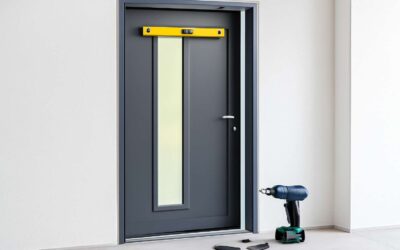
Small misalignments cost more than a door. Site installation of aluminium systems demands precision. The frame must be plumb and square, fixings should bite into solid anchors, and drainage must be built into the opening. Use compatible sealants and gaskets, and respect the thermal breaks that keep inner and outer profiles separate. This is core to aluminium door and window manufacturing quality.
For lifecycle performance, coatings, hardware durability, and joint integrity matter. In South Africa, sun, heat, and coastal salt test finishes; regular inspection of glazing seals and drainage sustains airtight performance and energy efficiency. When installed well, the system proves its reliability and longevity—hallmarks of aluminium door and window manufacturing.
After-sales considerations include warranty terms, spare parts access, and service scheduling.
- Spare parts availability
- Warranty and service terms
- On-site maintenance records
Thermal efficiency, weather performance, and durability
In aluminium door and window manufacturing, on-site precision matters. The frame must be plumb and square, fixings bite into solid anchors, and drainage is built into the opening. Use compatible sealants and gaskets, and respect the thermal breaks that keep inner and outer profiles separate. A small misalignment costs more than a door—and the entire façade bears the price, night and day.
Thermal efficiency, weather performance, and durability are built into every profile. Coatings must withstand South Africa’s sun, heat, and coastal salt, while hardware resists corrosion over years. Regular inspection of seals and drainage sustains airtight performance and energy efficiency. When installed well, the system proves its reliability and longevity—hallmarks of aluminium door and window manufacturing.
After-sales considerations include warranty terms, spare parts access, and service scheduling.
- Spare parts availability
- Warranty and service terms
- On-site maintenance records
Maintenance requirements and common failure modes
In aluminium door and window manufacturing, on-site precision is the hinge of a living façade. Frames must be plumb and square; fixings bite into solid anchors; drainage is built into the opening, and seals cushion the passage of wind and weather. A tiny misalignment gnaws at energy performance and comfort, night and day.
Lifecycle performance follows the same shadowy logic as the first breath of a system—coatings resist South Africa’s sun and coastal salt, hardware endures corrosion, and thermal breaks keep inner and outer profiles distinct to hold heat in check. Regular inspection of seals and drainage sustains airtightness and efficiency through decades of service.
After-sales considerations include warranty terms, spare parts access, and service scheduling. Maintenance requirements and common failure modes:
- Seals and gaskets that harden or peel
- Corrosion or wear in hardware and anchors
- Blockages in drainage or misalignment due to subsidence
Warranty, service, and customer experience
Installation is not a ritual; it is the first breath of performance. In aluminium door and window manufacturing, installation translates design intent into a living façade. Frames must align with surgical precision, and anchors bite into solid substrates to read as one seamless panel.
Lifecycle performance follows a patient but unyielding logic: coatings endure South Africa’s sun and coastal salt, hardware withstands corrosion, and thermal breaks keep inner and outer profiles distinct to preserve comfort. Regular checks of seals and drainage sustain efficiency through decades.
After-sales considerations hinge on warranty terms, access to spare parts, and service scheduling. In aluminium door and window manufacturing, customer experience is the final polish—the responsiveness of a partner, the clarity of a contract, and the reliability of on-site support when milestones arrive.

0 Comments