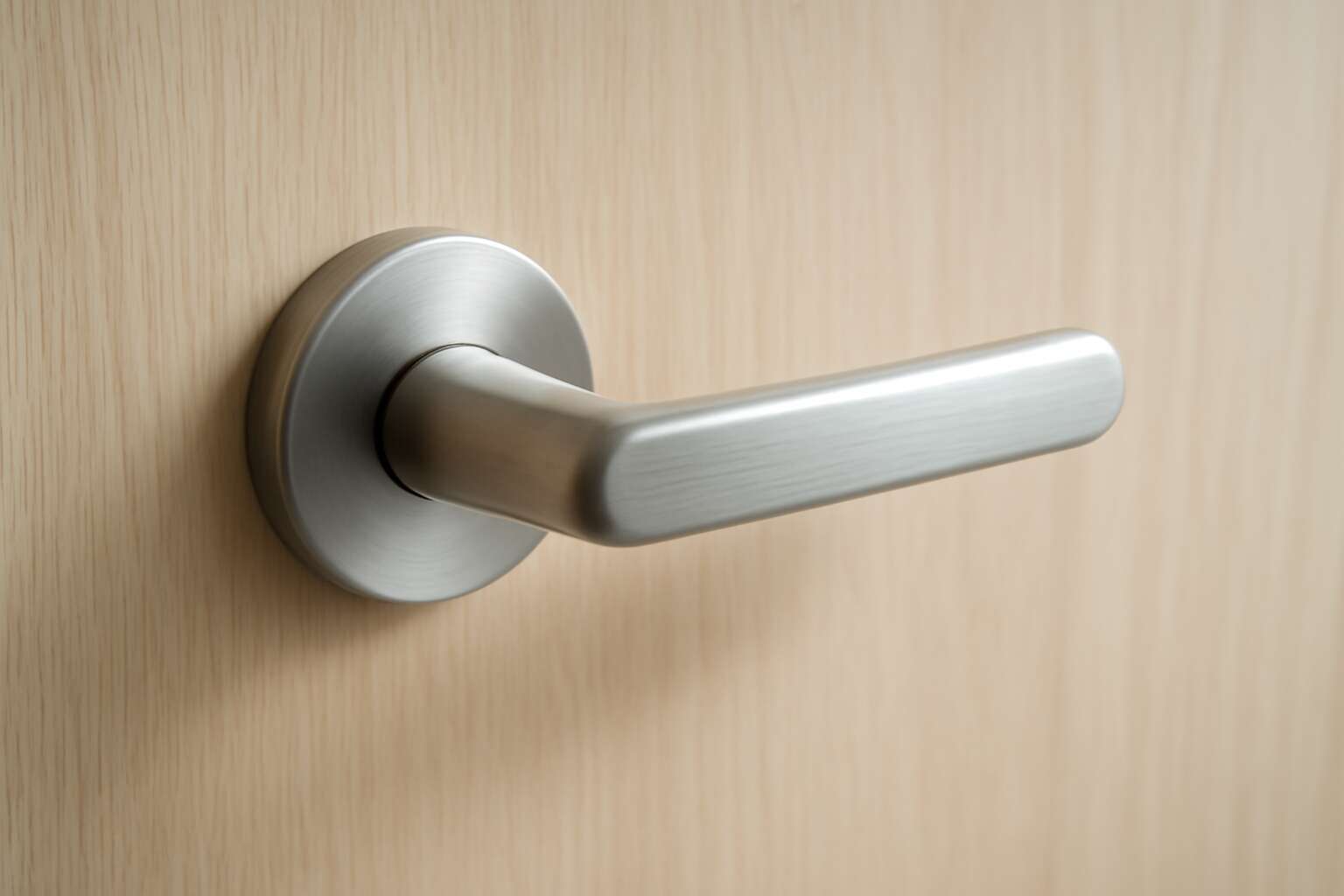
Material science and manufacturing for aluminium door handles
Alloys and corrosion resistance
In every doorway, the handle is the handshake between space and user. An uncompromising aluminium door handle design fuses tactile weight with enduring beauty, and in South Africa’s sun-washed cities that balance matters more than ever.
Material science leans on the 6000-series alloys—Mg and Si—champions of lightness, strength, and corrosion resistance. When extruded into slender profiles and tempered, they deliver predictable, stain-free performance that ages gracefully. A robust oxide layer forms the first line of defence, and a controlled anodising or powder coating deepens that shield for coastal humidity or harsh cleaners.
- Alloy composition (6000-series)
- Appropriate temper and hardening
- Finish: anodised or powder-coated
- Environmental exposure (coastal salt and cleaners)
Manufacturing discipline—die-making, extrusion, and meticulous surface finishing—translates science into feel. South African workshops emphasise traceability and sustainable finishes, balancing aesthetics with real-world endurance for door hardware.
Manufacturing methods and precision
The hand is the first handshake with a space, and aluminium door handle design translates that moment into a sculpture of light and resolve. In South Africa’s sun-bleached cities, precision matters, shaping every profile to feel like a calm welcome.
Manufacturing methods fuse art with exactitude. Die-making frames the initial geometry, extrusion elongates the profile with tight tolerances, and controlled tempering locks in strength. Meticulous surface finishing—whether anodised or powder-coated—delivers the tactile, stain-resistant finish that behaves beautifully under coastal humidity and daily cleaners.
- Die design for uniform wall thickness and measurable straightness
- Extrusion runs that yield consistent grip profiles and margins
- Finish selection tested for adhesion, UV stability, and corrosion resistance
All of this becomes the language of refined metal for doors—an everyday luxury spoken through craft and care in every corridor and doorway.
Environmental impact and lifecycle assessment
Handles are not merely hardware; they are the hinge-point between space and intention. In South Africa’s sunlit foyers, material science breathes life into aluminium door handle design, giving it resilience, warmth, and a quiet glow under bright light. A typical building witnesses 12,000 touches a year—each contact a chance to celebrate craft and responsibility.
From alloy behavior to surface engineering, the journey looks at how aluminium interacts with skin, cleaners, and coastal humidity. Environmental insight through lifecycle assessment shows that coating choices and end-of-life recycling reshape the footprint. In practice, designers favour recycled content and low-energy finishing to steward resources.
- Lifecycle stage impacts: production, use, and end-of-life considerations
- Recycled content reduces embodied energy and supports circularity
- Coating and finish selection influence longevity, maintenance, and hygiene
Together, these factors elevate the aluminium door handle design from utilitarian to unforgettable, a small sculpture you grasp daily.
Ergonomics, usability, and accessibility in aluminium door handles
Handle shapes and grip comfort
Form matters, but function matters more. “Design is not just what it looks like and feels like. Design is how it works.” — Steve Jobs. In aluminium door handle design, ergonomics steer every welcome and every exit, shaping comfort, safety, and efficiency in daily South African spaces.
Grip shapes are the quiet negotiators of usability. A gentle oval grip, a curved lever, or a knurled edge can transform a routine act into a confident, low-effort motion—crucial in accessible aluminium door handle design where tactile feedback and moderate leverage support users of all ages and strengths.
- Ergonomic shapes that accommodate varied grip sizes
- Non-slip, durable finishes for wet or dusty settings
- High-contrast details for visibility and cognitive ease
When these elements align, a door becomes a seamless interface rather than a barrier.
Lever vs knob ergonomics
Across South Africa’s bustling entrances, the door handle works as a quiet gatekeeper. The aluminium door handle design hinges on ergonomics—the difference between a confident exit and a hesitated pause can be traced to one hand. Lever forms excel at one-handed actuation, delivering smoother, lower-effort movement in wet, dusty or hurried settings.
- Lever vs knob ergonomics: easier actuation, especially one-handed
- Non-slip, durable finishes for SA climates
- High-contrast, tactile cues for accessibility
When these cues align—grip sizes accommodated, non-slip finishes, and high-contrast details—the handle becomes an interface, not a barrier, inviting use. The aluminium door handle design benefits from tactile feedback and cognitive ease, shaping how spaces welcome us in daily life.
ADA and accessibility considerations
Doorways are first impressions, and in every foyer a small detail can tilt a moment toward accessibility. The aluminium door handle design hinges on ergonomics, usability, and ADA considerations, shaping whether a user with a cane, a stroller, or a hurried shopper can enter with dignity. A single, confident gesture should feel natural—no jam, no pause, just flow.
- High-contrast, tactile cues that guide fingertips and eyes alike
- One-handed actuation with smooth, reliable spring and return
- Non-slip, climate-ready finishes that perform in dusty or wet environments
In South Africa, that interface carries more than function; it carries welcome. When design respects accessibility, the everyday act of entering becomes a quiet act of inclusion.
Tactile feedback and operation in varying conditions
Doorways are not just entrances; they’re first impressions. In South Africa’s busy foyers, the aluminium door handle design should feel like a polite nudge, not a roadblock. “Accessibility isn’t a feature; it’s the doorway itself,” a designer once told me, and I never forgot it. Ergonomics, usability, and universal operation shape whether a parent with a stroller, a hurried shopper, or someone navigating with a cane can enter with dignity. A single, confident gesture should flow—no jam, no pause, just seamless passage.
Here are the traits that bring that flow to life in varying conditions:
- High-contrast, tactile cues that guide fingertips and eyes alike
- One-handed actuation with a smooth, reliable spring and return
- Non-slip, climate-ready finishes that perform in dusty or wet environments
Finishes, aesthetics, and design trends for aluminium door handles
Finishes and coatings options
Every South African doorway tells a story, and the aluminium door handle design is its opening line. Finishes that glow softly or wear a rugged matte echo a home’s mood—coastal light, veld quiet, or urban warmth—while staying ready for daily life. I see it as more than hardware; it’s memory at the hinge.
Consider these durable finishes:
- Matte powder-coated neutrals (stone, grey)
- Anodised metallic tones (silver, champagne)
- Brushed bronze or black satin
Trends lean toward minimal profiles, integrated escutcheons, and tactile textures. For South African homes, restrained palettes and coatings that resist heat and rain make aluminium door handle design feel both practical and poetic.
Color and texture choices
In South Africa, the doorway greets you before the rest of the house, and the aluminium door handle design is the opening act—glowing softly or weathering ruggedly to mirror a home’s mood.
Durable finishes to choose from include:
- Matte powder-coated neutrals (stone, grey)
- Anodised metallic tones (silver, champagne)
- Brushed bronze or black satin
Trends lean toward minimal profiles, integrated escutcheons, and tactile textures. For South African homes, restrained palettes and coatings that resist heat and rain make the finish feel both practical and poetic.
Integration with architectural styles
First impressions in South Africa are forged in three seconds, and the door is the opening line. The aluminium door handle design sets the mood before anyone crosses the threshold, signaling whether the home leans modern, rustic, or coastal.
Finishes favor durability and tactility over flashy bravado. Expect restrained sheens that age gracefully, with coatings engineered to weather heat and rain while keeping a refined, comfortable handshake with the door. This is where aluminium door handle design speaks with controlled shine and quiet texture.
Architectural styles across SA reward nuanced pairings:
- Cape Dutch symmetry with warm metallic accents
- Modern trims paired with cool silvers
- Coastal or rural schemes deepened by charcoal and black
The right finish and silhouette complement the façade, inviting inhabitants to linger at the threshold—after all, a doorway deserves its moment in the spotlight.
Minimalist versus statement hardware
Front doors set the tone for a home before anyone steps inside. The aluminium door handle design here favours understatement—matte, satin, and lightly brushed finishes that feel solid without shouting! Durability beats bravado, with coatings engineered to weather heat and rain while keeping a refined, comfortable handshake with the door. In South Africa’s changing light, the right finish reads as restrained texture rather than flash, aging gracefully as a quiet partner to the façade.
Design trends split into minimalist and statement hardware, each speaking to different architectural moods. In SA, these choices pair with Cape Dutch symmetry, modern trims, or coastal schemes, and the silhouette matters as much as the color. Here are trends to watch:
- Slim, linear levers that blend with architectural lines
- Broader rosettes and tactile textures for warmth and grip
- Low-sheen coatings that stay discreet under bright South African light
In essence, aluminium door handle design is the quiet punctuation that seals a thoughtful facade.
Durability, security, and maintenance of aluminium door handle systems
Wear resistance and corrosion protection
Durability, security, and maintenance drive the best aluminium door handle design! In South Africa’s varied climate, a handle must endure salty coastal air, heat, and heavy daily use without losing grip or appearance. A thoughtful aluminium door handle design pairs robust alloys with protective finishes, keeping entrances reliable and welcoming long after installation.
- Wear resistance in busy entrances
- Corrosion protection in humid or coastal settings
- Low-maintenance coatings
Wear resistance and corrosion protection are at the core of longevity. To support this, consider finishes that resist wear and moisture; choose coatings designed for high-traffic environments. This aluminium door handle design approach helps maintain security and tactile feel over time.
Security features and locking mechanisms
Durability isn’t a luxury—it’s the doorway to trust in every building. In busy South African entrances, handles endure thousands of cycles and constant exposure to heat, humidity, and salty coastal air. A thoughtful aluminium door handle design pairs robust alloys with protective finishes, keeping entrances reliable and welcoming long after installation!
Security features and locking mechanisms are the backbone of everyday safety. Seek systems with reinforced latches, solid strike plates, and dependable access-control compatibility that resist prying and tampering!
- Anti-tamper fasteners and concealed screws
- Reinforced spindle and latch with corrosion-resistant finish
- Compatibility with mechanical and electronic access control
Maintenance-friendly by design, these systems rely on durable coatings and modular components that simplify parts replacement and extend service life—without compromising the tactile grip that welcomes visitors.
Maintenance routines and cleaning
In busy South African entrances, an effective aluminium door handle design clocks tens of thousands of cycles and still looks welcoming. A sturdy system can endure the heat, humidity, and coastal air that daily life throws at a building’s threshold.
Durability isn’t a luxury—it’s the doorway to trust. Look for corrosion-resistant coatings, a reinforced spindle, and anti-tamper fasteners that resist tampering while keeping everyday use smooth and secure.
Maintenance routines and cleaning are built in—durable coatings take the heat, and modular components simplify part replacement. A quick wipe with mild soap, avoidance of abrasive cleaners, and periodic screw checks keep performance steady for years.
Replacement parts and lifecycle planning
Durability isn’t a luxury; it’s a signal of reliability embedded in aluminium door handle design. In busy entrances a design must endure tens of thousands of cycles, resisting heat, humidity, and coastal spray while staying welcoming. Security is inseparable from style, with reinforced spindles, anti-tamper fasteners, and tamper-evident components ensuring peace of mind at every threshold.
Maintenance routines, when designed in, reduce downtime. Replacement parts and lifecycle planning matter; modular components enable quicker upkeep and extended life, with replaceable wear parts keeping performance steady and waste down.
- spindle assemblies
- escutcheons and backplates
- screws and fasteners
- springs and gaskets
- locking mechanisms
A lifecycle-minded approach to procurement aligns with wear patterns, budget cycles, and end-of-life decisions. The focus on readily available parts helps preserve a calm, confident entry experience for occupants and supports sustainable decision-making over the building’s lifespan.
Installation, compatibility, and sustainability considerations
Door thickness, backset, and spindle compatibility
A door handle is the first thing guests notice and the last thing you want squeaking at 2 a.m. When evaluating aluminium door handle design, installation isn’t an afterthought—it’s the blueprint. Correct mounting depth, screw alignment, and bore size ensure a snug fit on SA doors, whether you’re installing a modern aluminium frame or a solid timber door.
Compatibility rides on three knobs: door thickness, backset, and spindle alignment. To keep installation drama-free, check these before you commit:
- Door thickness range supported by the backplate and screws
- Backset alignment to line up with the edge and strike plate
- Spindle diameter and length matching your lockset and latch
From a sustainability angle, choose hardware with recyclable aluminium and minimal packaging. Standard sizing reduces waste and makes replacements easier, keeping your building as future-friendly as it is stylish.
Frame and latch integration
Across South Africa’s dim hallways, a misfit door speaks louder than any slogan. In the realm of aluminium door handle design, installation is the blueprint, not the afterthought. When the frame depth is correct, the backset sits true, and the bore size aligns, the result is a snug, whisper-quiet fit whether you pair it with a sleek aluminium frame or a solid timber door.
Compatibility becomes poetry when the edge lines up with the strike plate, and the spindle meets the lockset, allowing the mechanism to breathe in unison with every touch.
On sustainability, choose hardware forged from recyclable aluminium and wrapped in minimal packaging. Standard sizing trims waste and eases replacements, keeping buildings future-friendly in a country where reliability is prized. In South Africa, durability under coastal humidity and inland heat guides this hardware toward longevity and careful stewardship.
Sustainable and recycled aluminium options
In aluminium door handle design, installation is the blueprint, not the afterthought. When the frame and mounting align, the door settles into place with a whisper. Edge lines meet the strike plate with grace, and the lockset speaks to the handle in quiet unison. The result is a seamless performance with every touch—confident entry. We design for compatibility with a range of profiles, so installation feels inevitable.
Sustainability guides every choice, especially in South Africa’s climate. We lean toward recycled aluminium options and packaging that disappears after delivery.
- Recycled aluminium content
- Minimal, recyclable packaging
- Standardised components for easy replacements
This path carries a quiet luxury—hardware that ages gracefully and leaves a smaller footprint. It is responsible design that remains faithful to movement and light in every South African doorway!
Cost considerations and warranties
“Good design is invisible,” a saying we echo in aluminium door handle design. Installation is the blueprint, not the afterthought. When the frame and mounting align, the door settles with a whisper, edge lines meeting the strike plate with quiet grace.
Compatibility sits at the heart of the craft. We tailor for a spectrum of profiles so installation feels inevitable, not forced. Sustainability guides every choice, from responsible material sourcing to packaging that disappears after delivery, leaving only performance and light.
Cost considerations and warranties shape what you buy and how long it serves. We balance upfront price with lifecycle value and back that with clear warranty terms designed for busy environments.
- Initial cost versus total ownership
- Warranty coverage and service terms
- Expected maintenance and replacement parts

0 Comments