Understanding aluminium door hardware
What is aluminium used in door hardware?
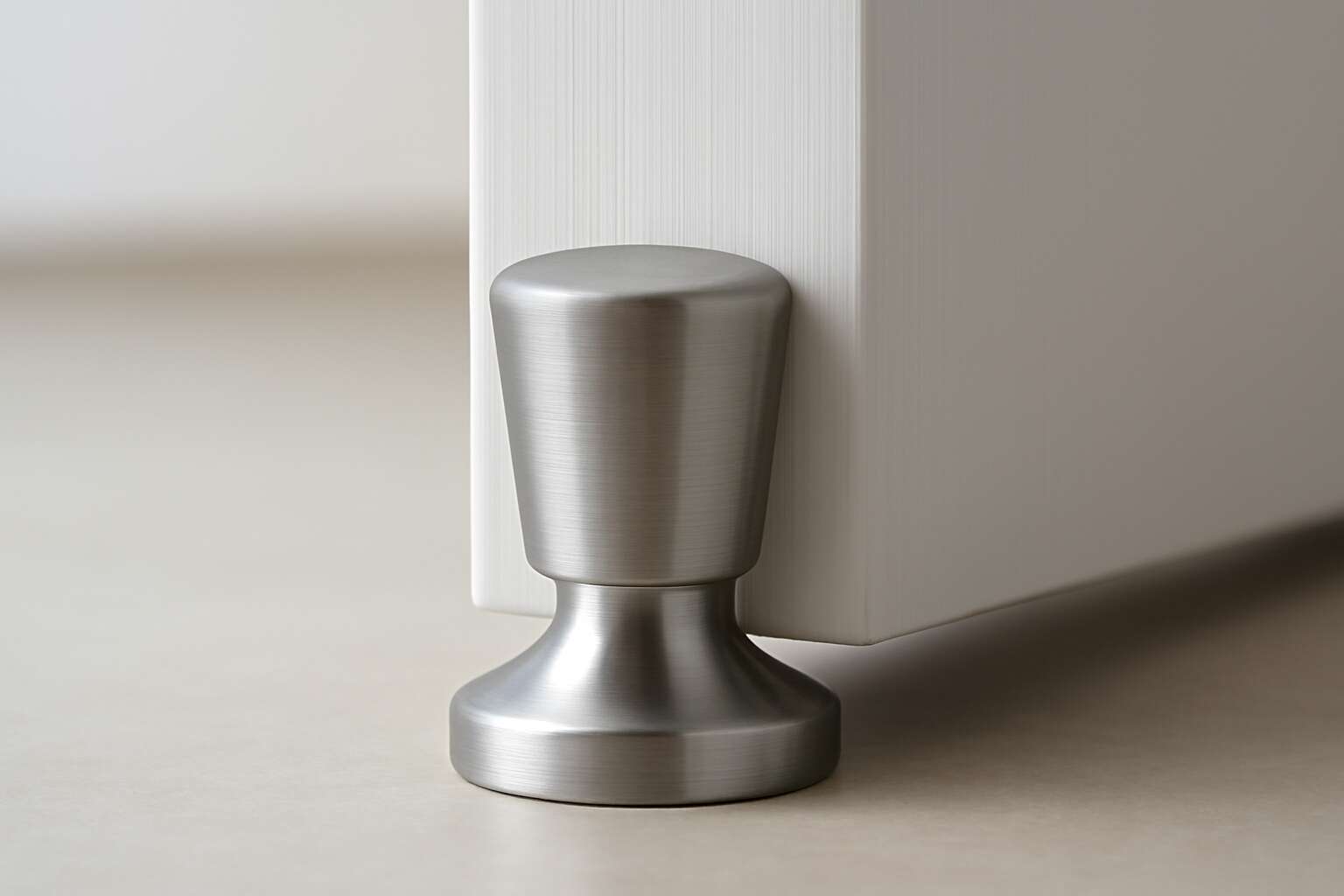
Across South Africa, a busy door is opened hundreds of times daily, and the hardware does the heavy lifting with quiet swagger. In this choreography, aluminium shines: light, durable, and unfazed by sun and humidity. It lends a crisp, modern profile to frames and kickplates alike. And yes, the unsung hero that earns its keep is the aluminium door stopper, protecting doors from rattle and ruin!
What is aluminium used in door hardware? It appears in frames, handles, hinges, and thresholds—each element benefiting from lightness and corrosion resistance. In coastal cities and inland homes alike, this alloy keeps performance steady and profiles elegant.
- Lightweight durability for hinges and tracks
- Corrosion resistance in coastal climates
- Clean, scalable profiles for modern interiors
In practice, that blend of form and function keeps door hardware reliably poised for daily South African life.
Material advantages over alternatives
Across South Africa’s bustling entrances, a door record of endurance is written in quiet footsteps. A facility manager once quipped, “If the door isn’t reliable, nothing else matters.” That reliability starts with the material hiding in plain sight: aluminium door hardware.
Aluminium outperforms many contenders in the field: it couples feather-light durability with stubborn corrosion resistance, staying pristine in coastal air and inland humidity alike. Its malleability invites slender frames and seamless thresholds, while resisting fatigue after countless cycles.
- Lightweight yet strong
- Corrosion resistance in challenging climates
- Architecturally clean, scalable profiles
The aluminium door stopper hides in plain sight, softening the impact and silencing rattle without weighing the frame down.
That preference for an aluminium door stopper pays dividends in long-term cost and quiet operation.
Common mounting methods for door stops
Across South Africa’s busiest entrances, door reliability is written in quiet terms. A facilities manager quipped, “If the door isn’t reliable, nothing else matters”—a truth echoed in every corridor.
Understanding aluminium door hardware means sensing how a small profile can carry big duties. The aluminium door stopper blends feather-light weight with tough corrosion resistance, keeping thresholds clean and steady.
Common mounting methods for door stops align with architecture and traffic.
- Floor-mounted stops
- Surface-mounted stops
- Hinged/arm stops integrated with the frame
In bustling South African spaces, such hardware quietly absorbs impact and guards finish, letting entrances stay welcoming rather than a chorus of clangs.
Safety and regulatory considerations
In South Africa’s busiest entrances, a door’s heartbeat is rhythm and safety. An aluminium door stopper isn’t just hardware—it’s a quiet sentinel facing thousands of cycles a day, as if the doorway itself keeps watch!
Safety and regulatory considerations require the unit to align with SABS-approved standards and local regulations, be suitable for fire-rated doors when required, and resist coastal corrosion where sea air affects the environment.
- SABS/SANS compliance
- Fire-rating compatibility
- Coastal corrosion resistance
- Proper installation and endurance testing
It should pass mechanical endurance tests and be installed per manufacturer guidelines, ensuring thresholds stay pristine and doors swing as intended.
Taken together, these checks keep entrances reliable and presentable under any South African circumstance.
Types and Sizes of Aluminium Door Stops
Inline, corner, and magnetic stop options
In South Africa’s busiest corridors, doors swing like living sentinels—bold, relentless, and sometimes brutal to the walls they guard. An aluminium door stopper acts as a quiet guardian, turning chaos into calm and saving fresh paint from the kiss of a careless shoulder. It is durability forged to survive long shifts, corrosion resistant, and elegantly modest in its purpose.
Types and sizes shape the story. Three main configurations carry the weight of daily traffic:
- Inline stops: flush against the hinge line, a low-profile safeguard; lengths 50mm, 75mm, 100mm.
- Corner stops: guard door-wall junctions at 90 degrees; projections 60mm, 90mm, 120mm.
- Magnetic stops: use a built-in magnet to hold doors open; base widths 40–60mm with varying pull strengths.
The aluminium door stopper story is one of quiet architecture—choose by door swing and space rhythm, and it will linger as a discreet heartbeat behind a professional façade.
Size and weight considerations for different doors
In South Africa’s busiest corridors, doors swing roughly 20,000 times a year—a rhythm that deserves a quiet guardian. The aluminium door stopper acts as that guardian, keeping paint pristine and walls unscathed when doors flirt with sacred walls.
Sizing is the craftsman’s compass. Lighter internal doors suit slender inline stops; heavier doors demand sturdier corner stops or high-tension magnetic stops. Projections and base dimensions should harmonise with the door’s swing, frame, and available floor space.
- Light doors: inline stops in the 50–75 mm range for a minimal touch.
- Standard doors: inline 75–100 mm or corner projections of 60–90 mm to balance clearance and protection.
- Heavy doors: corner stops with 90–120 mm projections and higher-strength magnets for reliable hold-open action.
The right aluminium door stopper is a quiet collaborator—suiting rhythm and space behind a professional facade.
Choosing the right mounting style for your door frame
In South Africa’s busiest corridors, doors swing 20,000 times a year with a whisper—thanks to the right aluminium door stopper. This quiet guardian keeps paint pristine and walls unscathed, turning a small hardware choice into lasting protection. Types and sizes guide mounting styles that suit every frame.
Choose the mounting style by examining the frame—timber, aluminium, or mixed—and the floor finish. Consider how the door travels across the threshold, the available floor space, and the overall architectural line. The result is a profile that feels built-in, not bolted on.
Practical mounting profiles to weigh include:
- Surface-anchored options that deliver a low-profile silhouette
- Floor-recessed styles for a seamless line with the floor
- Concealed or magnetic solutions where space and hold-open needs intersect
With the right profile, rhythm becomes reliability and style meets function—quietly.
Installation and Maintenance for Aluminium Door Stops
Step-by-step mounting guide for screws, anchors, and adhesives
Across South Africa’s busy mornings, a well-placed aluminium door stopper is more than metal—it’s quiet reassurance for a home and a workshop. A steady hand and a clear plan keep doors from banging in the wind and save your floors and hinges, even after a long day’s work.
- Choose a position where the door closes softly against the frame.
- Decide on screws for timber, anchors for hollow cores, or a light adhesive for metal surfaces.
- Mark pilot holes precisely and predrill with care to avoid splinters or cracks.
- Fit anchors if used, then drive screws until the stopper sits flush with the door.
- Test the door’s motion and adjust alignment before finishing.
Periodically wipe away dust, tighten screws, and check alignment. For metal frames, reapply adhesive sparingly when needed, and inspect for wear after the changing seasons. This small piece of hardware deserves regular care to keep its quiet watch.
Preventing corrosion and wear in different environments
Across South Africa’s climate mosaic, the aluminium door stopper is more than hardware—it is a quiet guardian against daily weather. Its corrosion resistance, especially in anodised or powder-coated finishes, keeps doors responding smoothly long after the first sunrise. Different environments demand different aesthetics and protection, yet the principle remains: form and patience together stave off wear. A seasoned craftsman once said, “The smallest piece carries the weight of a room,” and he was right—the aluminium door stopper holds back chafing hinges and scuffed floors with grace.
Maintenance across environments is a seasonal dialogue between metal and climate. In coastal air, the finish leans into salt and humidity; inland, heat and dust test colour and stiffness. When environments shift, the aluminium door stopper’s resilience shows itself—proof that careful selection and a subtle presence can endure beyond the seasons.
Cleaning and care routines for aluminium stops
South Africa’s corridors thirst for endurance, and the aluminium door stopper answers with quiet resolve. A master craftsman once whispered that “the smallest piece carries the weight of a room,” and the sentence lingers as doors swing true, resisting scuffs and the creeping tide of wear.
Installation and maintenance unfold like a ritual between metal and climate: guide the body of the stopper to its resting frame, let the screws kiss the hinge plate, and greet the fit with patient alignment. Through inland heat or coastal spray, a well-set stopper remains a steadfast observer!
Cleaning and care principles keep the aluminium door stopper singing through the years.
- Soft cloths and mild soap for the aluminium door stopper
- Gentle rinse with fresh water; wipe dry
- Drying and periodic fastener checks
Over time, these modest rituals guard the doorway from wear and misalignment.
Troubleshooting common installation issues
Endurance in South Africa’s corridors is a quiet virtue, and the aluminium door stopper bears witness to it. As a master craftsman whispered, “Small pieces carry the weight of a room”—a truth that shows up when doors swing true and wear stays at bay. Installations that breathe with care become guardians against sun and dust. This stopper is not flashy, but it is steadfast.
Troubleshooting common installation issues begins with patient observation rather than brute force. Signals include misalignment that leaves a visible gap, loose screws or anchors, and frame irregularities that tilt the stopper out of plumb.
- Misalignment—flush frame not achieved
- Loose screws or anchors
- Frame irregularities causing uneven clearance
Beyond the initial fitting, maintenance becomes a quiet ritual—watching for wear and salt or heat, with the aluminium door stopper standing as a steadfast observer.
Seasonal maintenance schedule and checks
Doors in South Africa’s corridors live in the quiet. They bear the weight of daily momentum with barely a creak. A craftsman once whispered, ‘Small pieces carry the weight of a room,’ and the stopper stands as proof—unflashy, unbreakable, always present.
Seasonal maintenance follows a patient cadence. A twice-yearly glance collects the signs of sun, salt spray, and humidity, letting this steadfast hardware breathe with the building. The aluminium door stopper becomes a barometer for the conditions around it, revealing which seasons demand attention without fanfare.
- Alignment and clearance remain within expectations
- Fastener condition and corrosion indicators are observable
- Wear on contact surfaces from grit or salt
- Frame irregularities and dust that affect operation
- Surface finish shows micro-scratches or discolouration
That quiet endurance remains the signature of well-made hardware.
SEO and Purchasing Guide for Aluminium Door Stops
Key specifications to compare when shopping
The door is the unsung conductor of a room’s daily tempo, and a single aluminium door stopper keeps the rhythm intact. “Small details, big impact,” as the saying goes, and this unassuming piece quietly protects walls, preserves acoustics, and speeds up entry and exit for busy spaces across South Africa.
For SEO-minded purchasing, key specifications to compare include finish, corrosion resistance, mounting compatibility, and durability in your climate. These factors shape long-term value and performance, especially in coastal or humid SA environments.
- Finish and corrosion resistance (anodised or powder-coated options)
- Mounting compatibility with door thickness and frame type
- Load capacity and impact resistance for high-traffic areas
Also consider warranty, spare parts availability, and local supplier support to ensure reliable service across the country. The right choice aligns form, function, and SEO-friendly content in one tidy package.
Where to buy: distributors, retailers, and warranties
Every wall deserves a guardian, and in South Africa the aluminium door stopper stands as a quiet sentinel at the threshold. Its understated finish handles coastal humidity with steady resolve, ensuring doors swing without scuffs and entrances stay welcoming. In the realm of procurement, this small piece fuses elegance with durability, turning daily passages into a smoother narrative.
For Where to buy: distributors, retailers, and warranties, your path to reliable performance begins with trusted SA suppliers. The aluminium door stopper should be matched to door thickness and frame type, and backed by local support.
- Distributors with bulk and project-grade options.
- Retailers offering consumer-friendly finishes and sizes.
- Warranties and accessible spare parts for ongoing service.
Across South Africa, the right partner offers reliable delivery, clear product lifecycles, and dependable service, turning a purchase into lasting performance.
Cost vs longevity: return on investment and budget tips
In busy South African offices and malls, maintenance interruptions spike when hardware fails—sometimes by as much as 15%. A well-chosen aluminium door stopper acts as a quiet guardian, merging cost efficiency with longevity and keeping doors swinging smoothly at every threshold.
From an SEO perspective, readers respond to value narratives: upfront cost versus long-term savings, return on investment, and clear warranties. Budget considerations hinge on choosing a model that matches door thickness and frame design while offering a durable finish. Consider these tips:
- Balance upfront cost with expected lifespan for door traffic and environment.
- Consider maintenance costs and spare parts to minimize downtime.
- Choose suppliers with solid warranties and accessible local support.
Across South Africa, a dependable supplier network delivers predictable lifecycles and reliable service, turning a simple purchase into lasting peace of mind.

0 Comments