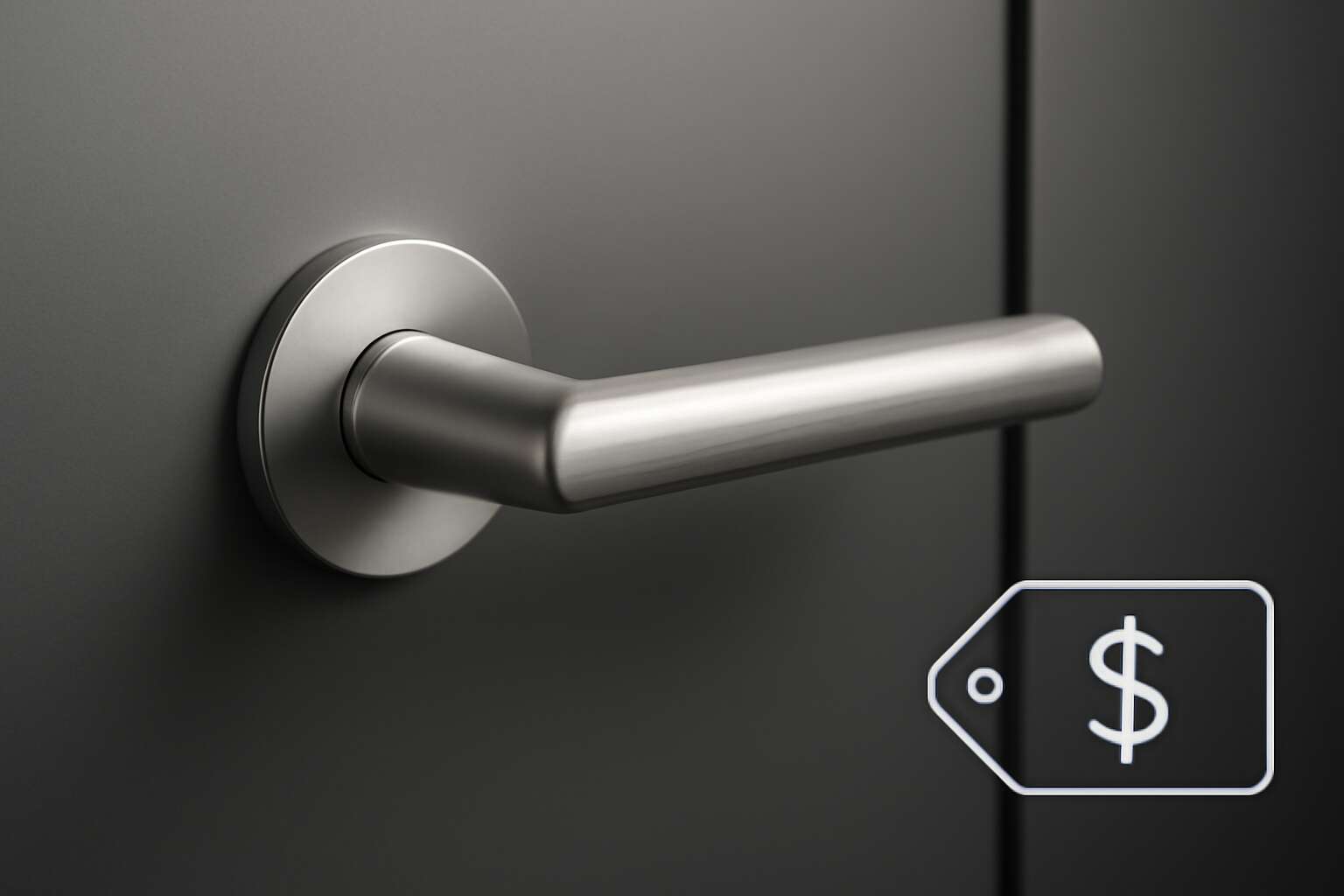
Understanding aluminium door handle price dynamics
What determines aluminium door handle price
Metal speaks first at the threshold, and in South Africa the door handle becomes a quiet negotiator between curb appeal and everyday security. A recent industry whisper suggests buyers notice hardware within the first eight seconds, where gloss, heft, and tactile reassurance fuse into perception!
Price dynamics hinge on alloy grade, finishes, and the stubborn arithmetic of manufacture.
- Material grade and alloy composition
- Finish, coating resilience, and finger-smudge tolerance
- Fabrication complexity and customization options
- Supply chain realities, including import duties and currency volatility
By understanding aluminium door handle price dynamics, designers can harmonize style and resilience, shaping spaces that feel both secure and inviting.
Material grades and alloy codes impacting cost
Across South Africa, first impressions are scored in seconds. A field observation suggests buyers notice door hardware within eight fleeting seconds—gloss, heft, and the tactile reassurance of a well-made handle fuse into perception. The outcome is more than aesthetics; it is a statement of daily resilience at the threshold.
Material grades and alloy codes are the quiet engineers of cost. The aluminium door handle price hinges on choices like 6063 versus 6061, and how the alloy takes finishes and resists fingerprints. Higher-grade alloys offer smoother machining and longer wear, lifting the price-to-performance curve.
Understanding these variables clarifies how the price signal travels from raw billet to door-ready hardware.
- Alloy grade and finish compatibility
- Fabrication complexity and customization
- Coating systems and fingerprint resistance
Design complexity and production method
Across South Africa, first impressions at the threshold shape buying decisions in eight seconds. The aluminium door handle price isn’t just a number; it’s a map of design complexity meeting production method, where every curve and joint travels from billet to door with purpose and dignity.
- Tooling setup, die design, and throughput that push unit costs up or down
- Production method choices—extrusion for clean, continuous profiles; casting or forging for complex shapes
- Tolerance and assembly requirements that affect fit, finish, and long-term resilience
In rural workshops and city showrooms alike, the path from billet to door defines the aluminium door handle price, and clarity here helps buyers move with confidence.
Quantity discounts and bulk pricing
Across South Africa, the threshold speaks volumes before a single door is opened. The aluminium door handle price is not mere currency but a compass—guided by order size, stock, and the quiet heft of finishing.
- Volume tiers and unit costs
- Lead times and stock availability
- Finishing options and customization surcharges
- Freight, packaging, and handling charges
For bulk buyers, quantity discounts unlock real savings, but terms must be crystal. Key drivers include volume tiers, lead times, and stock availability; adjustments for coatings or anodising; and freight considerations.
Understanding price dynamics in bulk terms helps planners keep projects on track, turning a potential surprise into a steady budget line.
Supplier vs retailer price differences
Price is a story you can measure in steel and light. In South Africa, aluminium door handle price isn’t just currency—it’s a ledger of volume, stock, and the quiet heft of finishing. Suppliers price with bulk in mind, while retailers mold margins for showrooms, delivery, and aftercare, shaping the final cost you see.
Understanding the difference helps you budget without surprises:
- Supplier pricing leans on order size, lead times, and coatings;
- Retailer pricing adds showroom, handling, and local delivery margins;
- Stock availability and timely fulfillment can swing both directions.
At the core, the choice between chasing the best aluminium door handle price vs. choosing reliable supply rests on project pace and service expectations. The dynamics echo a balance between beauty and practicality, a quiet drama that keeps doors opening on budget and on time!
How to compare aluminium door handle price across brands
Comparing similar spec handles
The entrance to a home is a stage, and a well-chosen aluminium door handle can steal the scene. In South Africa, where style meets rugged practicality, price becomes a conversation about value, not a number to fear. “The door is the first welcome,” the old craftsman would say, and the finish that greets your fingers should outlast trend and temper alike.
To compare brands without losing the thread of elegance, look beyond the aluminium door handle price to build quality, finish consistency, and availability. Consider how a brand supports local installation, the length of its warranty, and the stock networks that keep Cape Town, Johannesburg, and Durban supplied. A handle’s charm is inseparable from its reliability—ergonomics, patina, and the ease of maintenance can be worth more than the sticker. The true value lies in harmony between cost, durability, and service.
Reading price per unit vs per set
Your front door is the stage, and the aluminium door handle price is the spotlight that can steal the scene—if you read it right. In South Africa, value isn’t a whisper; it’s a conversation about longevity, finish, and service. Reading price per unit vs per set helps separate the drama from the budget, and that matters.
To compare across brands without the glitter, check these points:
- Unit price vs set price: know what you’re actually getting
- Check inclusions: screws, latch, and strike plate in the set
- Warranty length and service support across Cape Town, Joburg, Durban
- Availability and lead times from stockists who understand installation
When you weigh aluminium door handle price across brands, map the long game: warranty, installation support, and how the set aligns with your existing hardware. A good deal isn’t a bargain if it falters at the heatwave; the right choice balances cost, durability, and service.
Comparing warranty and service value
“The true cost is the service that follows,” a line heard from Cape installers—it’s a truth that outlasts fashion. When you compare across brands, aluminium door handle price is only half the picture; warranty length and service support shape the long game. A robust guarantee and a responsive helpdesk can save you more than a few rand in the heat of a South African summer.
Look beyond the sticker, and you map how your purchase ages with your doors: compatibility with existing hardware, installation support, and stock availability. These factors determine value long after the shine fades, far beyond aluminium door handle price.
- Warranty length and coverage
- Service support footprint across Cape Town, Joburg and Durban
- Availability and lead times from stockists who understand installation
Hidden costs: shipping, tax, and lead times
Hidden costs are the shadow that trails every aluminium door handle price, turning a neat sum into a longer melody once delivery doors swing wide. A Cape installer quips, “What you pay on the invoice is only the overture”—and the line is true. Shipping, tax, and lead times aren’t mere add-ons; they shape the value you glimpse when the door clicks home.
- Shipping method and distance from the stockist
- Local taxes, VAT, and any import duties
- Lead times and stock availability
- Packaging, handling, and potential return considerations
So, when you compare aluminium door handle price across brands, weigh shipping, tax, and lead times as equal partners to the headline figure. The ledger you read after delivery tells you which option ages gracefully with your doors.
Factors that affect aluminium door handle price by application
Residential interior vs exterior handles
In SA homes, the aluminium door handle price isn’t a single figure—it’s a spectrum shaped by where the handle lives. Interior residential handles focus on aesthetics and tactile feel, while exterior handles demand weather resistance, secure latching, and longer service life. Think of it as a small long-term bet your home makes with every door!
Key price differentiators by application include finish durability, corrosion resistance, and compatibility with anti-theft hardware and door types. The cost delta often reflects required coatings (anodised, powder-coated) and maintenance expectations in sunny or coastal environments.
- Exposure to humidity, rain, and coastal air affects finish longevity
- Security requirements and compatibility with door types drive hardware complexity
- Maintenance needs and replacement cycles influence total cost over time
Commercial and heavy-duty options
Commercial and heavy-duty aluminium door handles wear the hallmarks of a demanding stage: constant use, rolling traffic, and exposure to harsh environments. Price in these settings isn’t merely a number—it’s a forecast of reliability. In busy hotels, warehouses, and transit hubs, handles must endure salt-laden coastal air, industrial dust, or humidity while still turning smoothly and resisting forced entry attempts.
- Coating choices: anodised or powder-coated finishes that resist chipping and corrosion in high-traffic areas
- Security integration: compatible latches, anti-tamper plates, and sturdy backsets
- Installation and door type: heavy fire doors or metal frames add mounting complexity and labour
All these factors feed into the aluminium door handle price for commercial-scale projects, where maintenance cycles, warranty depth, and replacement timelines tip the balance between budget and peace of mind.
Custom finishes and coating costs
Across South Africa, the choice of finish can swing aluminium door handle price in ways you can feel in the pocket and the doorway! A premium look isn’t just about aesthetics; it’s a shield against coastal salt spray, humidity, and heavy use. Custom finishes and coating costs shape the final number, especially in high-traffic environments where reliability and beauty must walk hand in hand.
- Anodised finishes: long wear, subtle metallic tones, and balanced cost
- Powder-coated finishes: bold colours, thicker protection, and efficient application
- Specialty coatings (PVD, textured, or decorative): bespoke appearance with a higher processing cost
In practice, the weight of production scale and maintenance expectations shape the final figure, with finishes delivering both character and longevity in South African settings.
Security features and locking mechanisms
Security is a feature, not a flourish. That ethos shows up in the aluminium door handle price in South Africa when the application moves from a quiet interior lever to a robust exterior unit with reinforced internals and mortise locking.
- Mortise vs cylindrical locking mechanisms
- Multi-point or deadbolt integrations
- Smart, electronic, or hybrid locks
- Reinforced strike plates and anti-drill cores
Within residential interiors in South Africa, a plainer lock reduces price, while exterior or high-traffic doors justify investment in smart or multi-point hardware. The aluminium door handle price then mirrors the security framework it carries.
Finish options: anodized vs powder-coated
Across South Africa, a door’s first impression often glows from the handle more than the lock. aluminium door handle price becomes a story when finish choices meet climate realities, turning a simple purchase into a long-term companion for coastal salt or highveld sun. The right finish blends beauty with durability, shaping value at checkout and years later.
Finish options: anodized vs powder-coated shape the cost because each path guards different futures for your door.
- Anodized: metal sheen that ages gracefully, excellent salt-spray and UV resistance, and a premium price that pays off with longevity.
- Powder-coated: wide color range and uniform finish, typically lower upfront cost, with color stability and maintenance considerations in SA’s sun and heat.
Beyond the finish, application context subtly steers price: a bustling entry begs resilience, while a quiet interior leans toward elegance. Price becomes a balance of aesthetics and climate endurance on a South African doorway!
Regional price trends and market pricing
Regional material costs and import tariffs
South Africa’s aluminium door handle price moves like a weather vane, catching port whispers and tariff winds. Price trends shift with currency swings and local material costs, turning a simple handle into a barometer of the economy. The tale of regional pricing is a dance of supply and demand across SA’s markets, and I watch it with a wary, hopeful gaze.
Several regional forces shape the aluminium door handle price across South Africa:
- Currency volatility and exchange rates affecting imported components
- Regional material costs, including billet and extrusion
- Import tariffs and duties on aluminium parts
- Logistics and port congestion increasing lead times
Within SA’s vibrant hardware landscape, regional pricing guides every choice, from mid-range to premium lines. The aluminium door handle price mirrors not only metal content but the geopolitics of supply, shaping conversations in showrooms and warehouses alike.
Currency fluctuations and supplier pricing
South Africa’s aluminium door handle price behaves like a weather vane, turning with rand swings and port whispers. Over the last year, currency volatility hovered in double digits, lifting or lowering quotes with each gust. A tariff tweak here, a ship delay there, and a humble handle suddenly carries the weight of the economy. The price tag becomes a quiet reporter, translating headlines into showroom conversations.
- Currency fluctuations shape supplier pricing.
- Regional billet and extrusion cost pressures.
- Logistics delays and port congestion push lead times.
Across SA’s vibrant hardware landscape, the aluminium door handle price functions as a living barometer, guiding choices from mid-range to premium lines, with wit and pragmatism baked in.
Lead times and stock availability
In SA, aluminium door handle price tracks the rand’s mood and regional supply quirks. Over the past year, price swings in pockets of the country have run in double digits, turning forecasts into tremors and showroom conversations into negotiations. Gauteng’s inland distribution tends toward speed, the Western Cape bears the weight of coastal imports, and KwaZulu-Natal sits at the crossroads of local mills and global shipments.
- Gauteng: rapid turnarounds, but higher inland transport costs that creep into quotes
- Western Cape: port delays and import dependency drive variability in availability
- KwaZulu-Natal sits at the crossroads of local mills and global shipments
Lead times and stock availability act as a quiet compass. When freight bottlenecks tighten, backorders lengthen and distributors pare buffers, leaving buyers scanning ahead for ready stock and alternative suppliers who can deliver faster.
Seasonal marketing and promotions
Prices move like the wind across SA’s landscape, and aluminium door handle price tells the tale before the invoice lands. In the past year, pockets of the country swung in double digits, reminding us that the rand’s mood and regional currents drive the final ask. A veteran distributor once said, “We measure value in the weather,” and that weather shifts with every harbour and highway, and dusty roads!
- Gauteng: rapid turnarounds, but inland transport costs that creep into quotes
- Western Cape: port delays and import dependency drive variability in availability
- KwaZulu-Natal: crossroads of local mills and global shipments
Seasonal marketing and promotions pulse through the market, nudging aluminium door handle price when demand lines up with stock cycles. Early-year campaigns and year-end promotions can soften peaks, while bulk orders unlock small incentives—proof that timing matters as much as design.
Practical tips to minimize aluminium door handle price
Choosing standard sizes and universal fit
In South Africa, door hardware can punch above its weight on the bill. A sharp truth: choosing standard sizes and a universal fit can trim aluminium door handle price. When you avoid bespoke dimensions, you sidestep extra machining, finishes, and longer lead times—costs that add up fast. Look for designs that align with common backset and screw layouts to keep options open and prices honest!
- Standard backsets and screw spacing dominate the SA market, keeping options broad.
- Universal fit reduces the need for niche modifications and surprises in fitting.
- Common finishes price predictably; bespoke coatings can inflate the bill.
- Consistency across models helps keep the overall price range steady.
These trends hint at the price landscape without naming vendors. In practice, buyers notice how standardization steadies the price for aluminium door handles over time, delivering predictable budgeting for homes and projects.
Balancing price with durability and warranty
Across South Africa’s homes, 7 in 10 homeowners say longevity beats flash in a remodel, and the aluminium door handle price tells that story. In my experience, practical buyers weight durability as much as looks, nudging prices toward value over flash.
Balancing price with durability and warranty means weighing material quality, coating resilience, and service coverage over a lifetime. Here are considerations to keep budgets honest:
- Assess lifespan in SA climates, not just initial cost.
- Inspect warranty depth—coverage length and inclusions.
- Compare coatings and upkeep; cheaper finishes may raise long-term costs.
By prioritising consistent design, standard sizes, and reliable service, buyers find a steady price path that sits next to safety and style. In this tale, durable finishes endure daily life as price and warranty remain guiding stars.
Negotiating with suppliers and buying through trades
Across South Africa, households learn that longevity outlasts flash. The aluminium door handle price tells that story, weaving durability with design into everyday life. Negotiating with suppliers and buying through trades keeps pricing anchored to value rather than hype.
Practical pointers drift like leaves in a workshop breeze: climate alignment, long-term coating resilience, and the confidence of reliable service support.
- Value over flash; durability and coatings guide the price
- Transparent supplier-trade channels keep price honest
- Seasonal cycles nudge price without compromising quality
- Total lifetime cost matters more than the initial quote
Let the price be a compass, not a verdict—choosing a handle that endures.
Where to buy: online vs local manufacturers
Across South Africa, the aluminium door handle price is more than a number—it’s a signal of durability enduring Cape winds and daily comings and goings. The story threads longevity with design, letting you feel confident every time you reach for the handle. Watch how coatings and stock shape value without losing character.
When choosing where to buy, weigh online visibility against local artisans’ hands-on support.
- Price transparency and clear warranty terms
- Shipping costs and lead times to SA cities
- Standard sizes vs custom finishes and their impact on price
The compass stays true: durability, service, and a fair price together craft homes that endure.
Considering refurbished or seconds for budget
The aluminium door handle price is more than a tag—it’s a weathered promise that endures Cape winds and daily comings and goings. Refurbished or seconds can trim that price, if you buy with eyes wide open and insist on solid coatings and a clean warranty. In South Africa, the right choice blends look, function, and longevity, so you feel confident every time you reach for the handle.
Here’s what to weigh when considering refurbished or seconds:
- Finish integrity and coating consistency
- Correct spindle, backset, and fixing kit
- Clear warranty terms and return options
That approach returns value when wind rattles and hinges tick. Real value isn’t the cheapest aluminium door handle price; it’s reliability, a finish that resists peeling, and a partner who stands behind the offer.

0 Comments