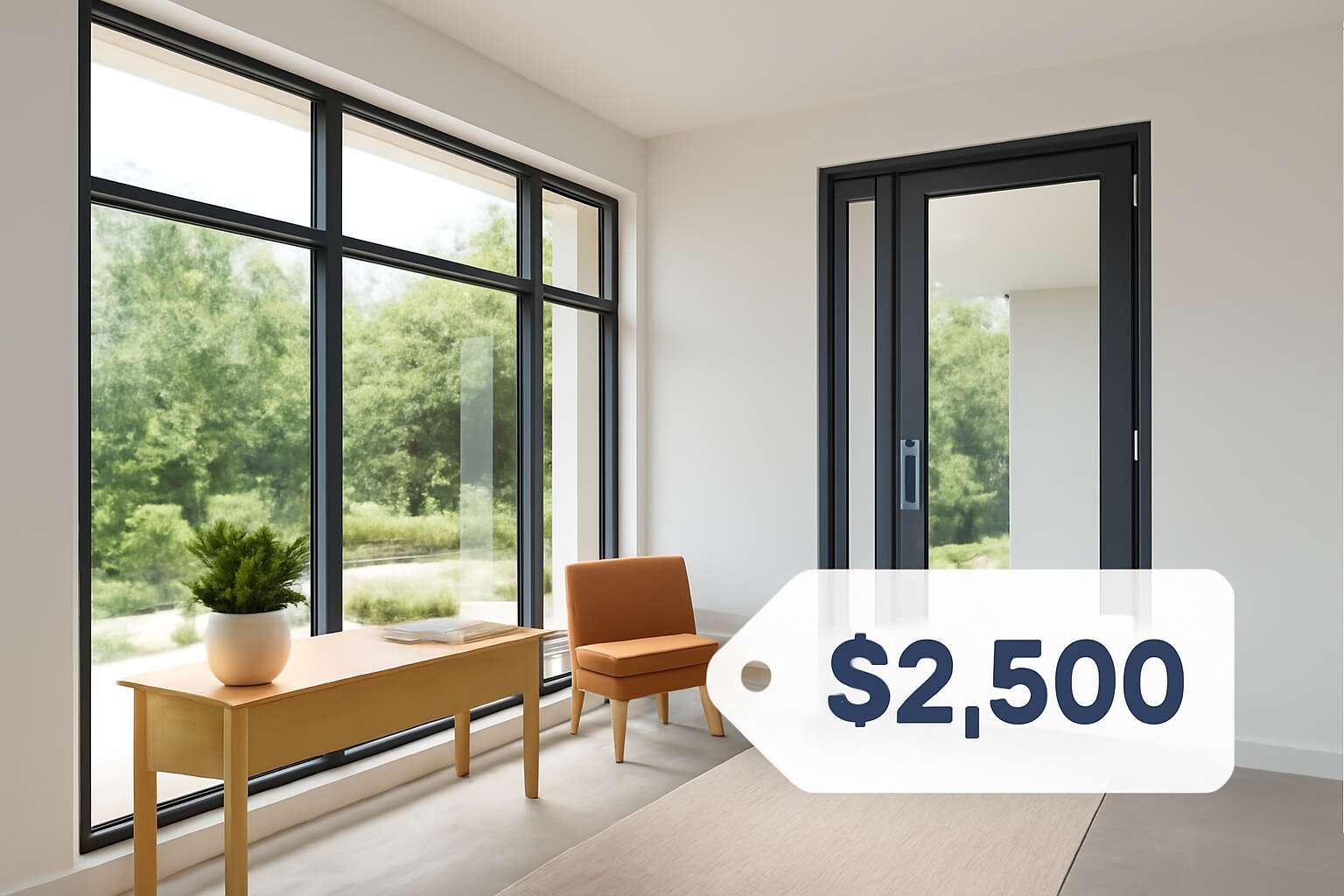
Understanding the price drivers for aluminium doors and windows
Material costs and aluminium alloy grades impact
Across South Africa, a window isn’t just light and air—it’s a story of cost and craft. The aluminium door and window price rises and falls with demand, material markets, and workmanship. A seasoned installer once quipped, “The frame remembers its cost even when the glass shines.”
Material costs and aluminium alloy grades steer the aluminium door and window price far more than taste alone. Higher-strength grades add resilience for heat and wind, but push upfront costs. In South Africa, alloys like 6063 offer formability while keeping price manageable.
- Raw billet price and energy costs
- Alloy grade and temper
- Extrusion complexity and profile size
- Finishes (anodising, powder coating) and glazing options
Other drivers—project scope, frame size, and installation specifics—shape the journey of pricing, weaving into the final aluminium door and window price with every cut, weld, and coating.
Influence of glass, hardware, and finishing options on price
“Glass is where the value gets locked in,” says a South African installer. The aluminium door and window price isn’t just about the frame; it’s about performance, daylight, and security dancing together. I see it on every SA job site—practical math guides the project!
From clear to laminated, double-glazed, or low-E, glass choices affect energy savings and comfort, with thicker panes and special laminates pushing costs upward. Hardware—hinges, multipoint locks, seals—adds durability and heft, lifting the price when installations must withstand heat and wind.
Here are the main price levers:
- Glass type and glazing configuration
- Hardware quality and safety features
- Finishing options (anodising, powder coating) and decorative glass finishes
All told, the aluminium door and window price in SA captures the sum of glass, hardware, and finishing choices, plus project scope and size. The final figure lands as the aluminium door and window price, with every cut, weld, and coating in the ledger.
Manufacturing processes and economies of scale
Factories across South Africa weave metal into light-filled frames at a scale that makes the aluminium door and window price feel almost inevitable. Automation and batch production have shortened lead times and sharpened consistency, with extrusion lines and in-line finishing turning raw alloy into precise profiles. The result is a price landscape where efficiency and craft walk hand in hand, and every measurement translates into value.
The unseen gears you pay for include the way profiles are engineered, the way waste is minimized, and how quality control is baked into every step. When plants run standardized, modular components at volume, costs ripple through the system instead of clinging to a single unit—this is the heartbeat of economies of scale that shape the aluminium door and window price.
Manufacturing levers that quietly steer the ledger include:
- Profile extrusion precision and material utilization
- In-line finishing for colour consistency and corrosion resistance
- Automation and robotics boosting throughput
- Standardized components enabling bulk purchasing and reduced stock risk
From extrusion to finishing, the cadence of a factory shapes the final quote. The scale of local production in SA keeps the message clear: the more you produce, the closer the unit price comes to truth. That is how the final value is formed.
Regional price variations and currency effects
Price swerves with the rand—South Africa’s currency can DJ the market louder than a Friday lunch queue. The aluminium door and window price is shaped by currency shocks, regional demand, and local supply routes, not just the raw metal. A sudden rand wobble can creep costs higher in the months that follow.
- Currency volatility and import dependence
- Freight and regional logistics
- Local taxes, duties, and procurement rules
- Availability of skilled installers and lead times
These forces combine to shape the price you see on a quote. Across SA, regional dynamics turn the ordinary into notable—where logistics and currency steer the final figure rather than a single factory line’s output.
Product types and price ranges
Aluminium door styles and price bands
Stunning silhouettes meet steel-like performance, and the aluminium door and window price is your first clue to a lasting investment. In SA homes, the right system delivers quiet security and enduring style, a small premium today that pays dividends for years.
- Casement doors: R5,000–R15,000
- Sliding patio doors: R15,000–R40,000
- French doors: R10,000–R25,000
- Bi-fold doors: R25,000–R90,000
- Pivot doors: R20,000–R60,000
Styles span minimalist lines to expansive glass walls; price bands follow the same rhythm, influenced by opening size, finish, and hardware—yet the value rests in longevity and low maintenance. The aluminium door and window price captured here is an indicative guide for planning medium-to-large scale projects.
Window varieties and pricing implications
“Light is the true premium in home design,” a South African designer notes, and price guides the craft with enduring grace. Product types shape the silhouette and mood: doors move in a measured rhythm—casement, sliding, French, bi-fold, pivot—while windows offer a chorus in casement, sliding, tilt-and-turn, fixed, and bay. Each variation carries its own pricing implications, dictated by size, glazing, and hardware, so elegance grows from thoughtful choice rather than brute cost.
For windows, varieties influence cost just as they shape rooms. This aluminium door and window price landscape rewards vision with longevity.
- Casement windows: balanced light, mid-range pricing
- Sliding windows: broad openings, higher track costs
- Tilt-and-turn: premium insulation, elevated price
- Fixed/picture windows: minimal moving parts, cost-effective unless they span large areas
Energy performance ratings and cost premiums
“Energy performance matters,” a well-known South African architect quips, and the room is brighter when a frame does the heavy lifting. The aluminium door and window price isn’t just sticker shock; it’s a long-term wager on comfort and quiet — marvelous framing, isn’t it? In this market, elegance earns its keep through good design choices rather than sheer spend.
Product types define the story. Casement, sliding, tilt-and-turn, and fixed units each carry a different price rhythm, guided by size, glazing, and hardware. Higher performance ratings push the aluminium door and window price into the premium band, but the payoff is fewer drafts and steadier climate inside.
Energy performance ratings guide value as surely as daylight shapes rooms:
- Lower U-values for better insulation
- Glazing choices balancing light and heat
- Weather seals and hardware that resist drafts
From couture budgets to practical comforts, the journey is a marriage of taste and tech, with the aluminium door and window price delivering quiet resilience and enduring grace.
Custom sizes vs standard sizes pricing
In South African homes, a frame does more than hold glass—it shapes energy and mood. A recent stat shows energy-efficient frames can trim heating bills by up to 30%, and the aluminium door and window price follows the design rhythm.
Product types define the melody: casement, sliding, tilt-and-turn, and fixed units each carry a distinct price band, guided by size, glazing, and hardware. Higher performance grades push the aluminium door and window price into premium territory, but the payoff is calmer rooms.
- Size and span
- Glazing packages
- Hardware and security
- Finish and coating
Standard sizes offer speed and savings; custom sizes demand bespoke fabrication and longer lead times, nudging the aluminium door and window price upward. For daring openings, custom sizing pays in fit and lasting beauty.
Profile thickness and reinforcement options cost impact
Across South Africa, a well-chosen frame is more than a container for glass—it reshapes energy and mood. One stat whispers that energy-efficient frames can cut heating costs by as much as 30%. Product types—casement, sliding, tilt-and-turn, and fixed units—set the aluminium door and window price by size, glazing, and hardware, rotating between practical mid-range and premium bands.
Profile thickness and reinforcement options also steer cost, trading stiffness for expense. Consider these common choices:
- 1.2–1.4 mm: light-duty, budget-friendly
- 1.8–2.0 mm: standard residential reinforcement
- 2.5 mm and above: premium, maximum rigidity
Thicker profiles and robust reinforcements lift the price but reward you with longer life and steadier rooms.
Installation, maintenance, and warranty pricing
Labor costs by region and installation complexity
In South Africa, aluminium door and window price isn’t just the sticker—it’s peace of mind for towns and farms alike. A local craftsman once said, “Solid workmanship is the real bargain,” and the truth is that a precise installation pays back in durability and comfort for years.
Installation, maintenance, and warranty pricing hinge on labour costs by region and complexity. Urban sites may charge more but require less time; rural sites often add travel and access charges. Site prep, old frame removal, sealant work, and glazing drive the quote.
- Region and access to the site
- Complexity of the frame and glazing
- Old system removal and site preparation
- Warranty scope and service intervals
Regular maintenance helps longevity, and a robust warranty offers protection against early wear. Each job is unique, and the aluminium door and window price reflects both the scope and the care embedded in the installation.
Installation accessories and finishing options
The aluminium door and window price isn’t just hardware; it’s a package—installation accessories, finishing touches, and the care that keeps frames weather-tight for years. As one craftsman puts it, “Solid workmanship is the real bargain.” In South Africa, factors like access, travel, and site readiness swing the final figure more than glossy marketing ever will.
Regular maintenance extends longevity, and a robust warranty locks in protection. Expect service intervals that cover inspection, sealant checks, and glazing integrity; the scope of the warranty varies with the installer.
- Track and roller cleaning
- Lubrication of hinges and locks
- Sealant renewal and glazing checks
- Finish touch-ups and hardware coatings
Warranty coverage hinges on service intervals and the installer’s policy; some plans include annual checks, others require prompt fault reporting and timely sealant renewal.
Warranty terms and price impact
Solid workmanship is the real bargain, as one craftsman puts it, and the aluminium door and window price should be judged by resilience as much as initial cost. Installation, maintenance, and a robust warranty shape the long-term value more than any glossy quote. In South Africa, site readiness and access steer the final figure far more than marketing spiel.
Warranty pricing hinges on coverage depth, response times, and the number of service intervals the installer commits to. Some plans include annual checks and proactive sealant renewal, while others emphasize rapid fault reporting. The result is a safety net that can either elevate the upfront price or reduce long-term maintenance costs by preventing leaks and drafts.
Removal, disposal, and site restoration pricing
Site readiness in South Africa shapes the aluminium door and window price more than glossy brochures. A telling stat: installation delays and access challenges add real cost once the crew rolls in. Durability and dependable warranties often outshine first quotes!
Removal, disposal, and site restoration pricing can surprise if you neglect it. After removing old frames, you face waste handling, disposal fees, and minor repairs to restore the room’s finish.
- Old frame removal
- Waste disposal and recycling
- Site cleaning and surface touch-ups
Installation, maintenance, and warranty pricing should be viewed as a bundle. A solid service plan cushions upfront costs by reducing leaks, drafts, and future callouts, turning a higher initial investment into long-term value.
Across SA, the smart choice is to value resilience and service over glossy quotes!
How to evaluate quotes and optimize aluminium door and window pricing
How to compare quotes effectively and verify inclusions
In South Africa’s fluctuating markets, the aluminium door and window price can swing with the moon. A single quote arrives like a gust—promising solidity yet hinting at hidden turns. I’ve learned that perception, not only price, shapes value!
When evaluating quotes, seek clarity and completeness. Ask for itemised line items, confirm sizes, glass, and finishes, and compare the real cost over time—not just the upfront figure. The aluminium door and window price must reflect durability and service.
Here’s a quick checklist to compare effectively and verify inclusions:
- Inclusions: frames, glazing, hardware, and installation scope
- Delivery, site works, and disposal requirements
- Hidden costs, surcharges, and payment terms
Let totals guide you, not fear. Read the numbers as verses and ensure the final price reflects build quality, fit, and quiet endurance.
Bulk or multi-unit purchasing discounts
Bulk buys in South Africa’s market can soften the line item and keep the project on budget. When you evaluate quotes, you’re not simply chasing the aluminium door and window price; you’re weighing value, lead times, and the vendor’s willingness to stand by the finish and warranty.
To keep quotes honest and comparable, look for quantity-aware terms that reflect real-world use. The following bulk-order considerations are worth a peek:
- Tiered bulk pricing that rewards larger orders while keeping quality intact
- Consolidated delivery, site works, and installation terms to remove budgeting guesswork
- Transparent terms on lead times, surcharges, and post-installation service
When quotes are read as a cohesive story, the price becomes a reflection of build quality, fit, and enduring quiet performance—especially for multi-unit developments in SA.
Seasonal promotions, rebates, and financing options
Seasonal promotions can temper the aluminium door and window price, turning a simple quote into a story of value rather than a hurried number. In South Africa’s market, timing matters—better promotions align with bulk orders and project milestones, letting quality rise without breaking budgets!
When evaluating quotes, look beyond the headline figure. Seek clarity on lead times, post-installation service, and warranty scope so the price mirrors ongoing performance and peace of mind rather than a one-off saving.
- Seasonal promotions and limited-time offers that soften upfront costs
- Rebates for energy-efficient frames and glazing where available
- Financing options such as supplier credit or deferred-payment plans
Viewed as a mythic ledger of build quality, fit, and enduring quiet performance, the final figure becomes a beacon guiding multi-unit developments toward a coherent, lasting finish—the price telling a larger story than a number alone!
Energy efficiency upgrades and long-term cost savings
Across South Africa, energy-smart doors and windows aren’t mere finishes—they influence comfort and climate bills. In many homes, up to 40% of cooling and heating losses trace back to openings, so the right aluminium framing and glazing can reshape yearly costs.
When evaluating quotes, look beyond the headline price. Seek energy performance ratings, glazing type, frame insulation, and spacer technology. These details determine long-term operating costs and the true value of aluminium door and window price.
Opting for energy upgrades is about future-proofing. The most economical choice today may be a smarter investment for tomorrow, reducing wear on HVAC systems and keeping interiors comfortable through seasons.
Negotiation strategies without compromising quality
In South Africa, up to 40% of cooling and heating escapes through openings, turning aluminium door and window price into more than a number—it’s a matter of comfort and bills. With that in mind, quotes should reveal more than the headline figure—they should expose performance and long-term value. Treat the number as a starting point, not the finish line.
To optimize pricing without sacrificing quality, read quotes for clarity and traceability. Ask for specification-level details—frame insulation, glazing choices, and expected service commitments—yet keep the conversation practical: date of installation, warranty scope, and post-install support. The right negotiation hinges on balancing upfront cost with durable performance, ensuring the project stays on budget without eroding quality.

0 Comments