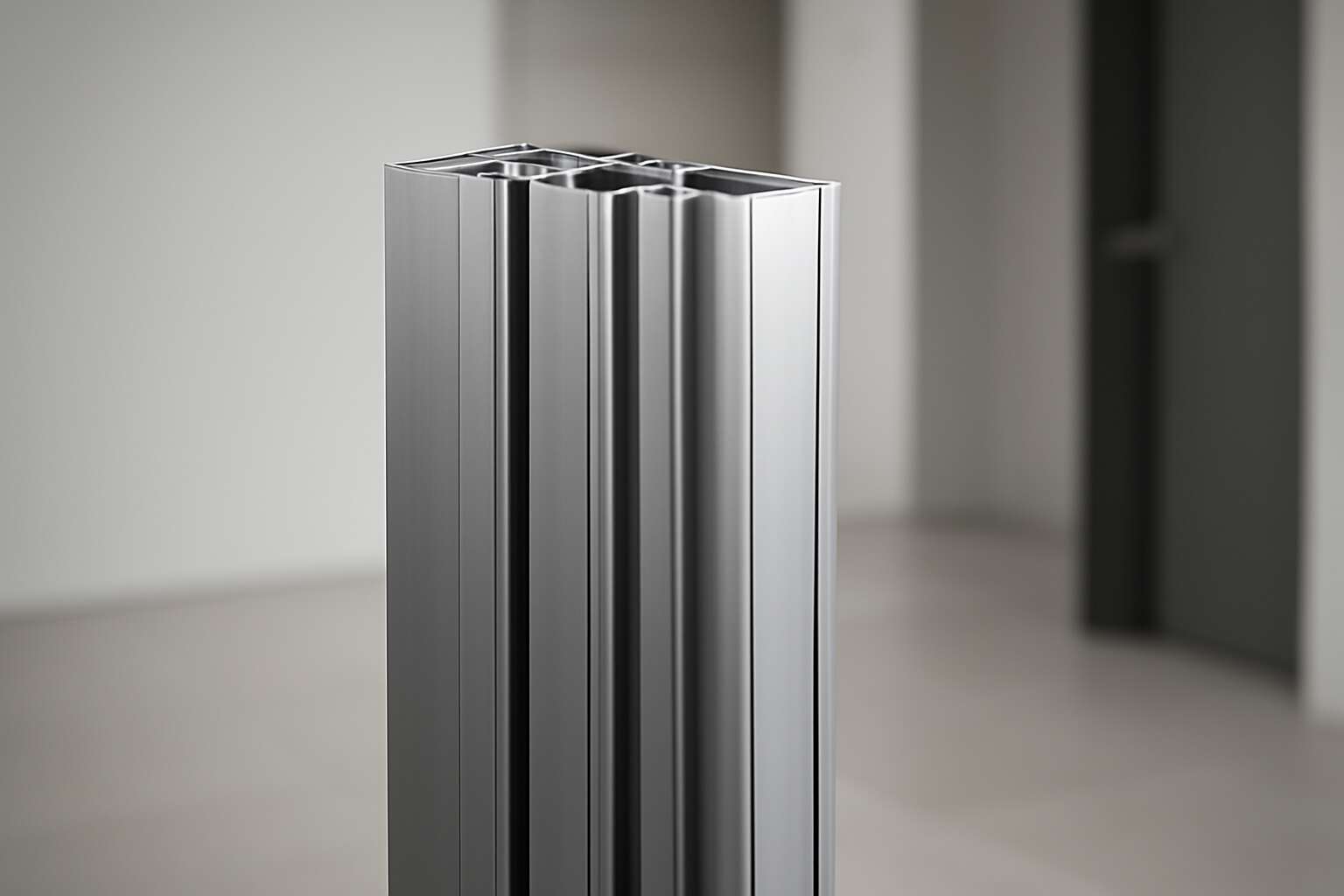
Understanding aluminium framing systems
What is aluminium framing profile and how it works
Frames that do more than swing open do exist. In South Africa, up to 30% of a home’s heat loss comes through doors and windows, so the right aluminium door frame profile can shave those bills and amp up curb appeal in one tidy package.
An aluminium framing system uses extruded profiles, joined with thermal breaks, and smart seals to trap heat where it belongs—in your home, not on your wallet. This profile is light yet sturdy, corrosion resistant, and delightfully adaptable to finishes from satin to bold.
- Thermal efficiency that sticks.
- Weather resistance in SA coastal humidity.
- Low maintenance with long colour life.
- Design flexibility for various door styles.
Key components and terminology
Frame by frame, the truth of performance reveals itself in silence. In South Africa’s shifting climate, the aluminium door frame profile quietly trims drafts and elevates curb appeal with a single, decisive breath!
Understanding the skeleton means learning its key components: extruded profiles that shape the frame’s edges, a thermal break that cripples heat transfer, and smart seals that lock out rain and noise. I’ve watched those pieces harmonize, turning openings into controlled sanctuaries.
- Extruded profiles
- Thermal breaks
- Weather seals and gaskets
- Glazing beads and reinforcement
In practice, the vocabulary—mullions, sashes, frames, and corner joints—becomes your compass for durable, low-maintenance installations.
How profiles influence door performance
Across South Africa’s varied climate, drafts are the silent negotiators of comfort; up to 35% of heat can slip through unsealed doors. The aluminium door frame profile enters as the quiet expert, shaping performance with restrained elegance.
A profile’s geometry creates controlled air paths, guiding drafts away and optimizing natural ventilation. A thermal break interrupts heat transfer between exterior and interior, turning aluminium into a more civilized insulator. Within these elements, performance occurs in harmonious quiet.
- Profile geometry controls air flow and resistance
- Thermal breaks disrupt conduction along the depth of the frame
- Weather seals and gaskets keep rain and noise at bay
- Reinforcement provides rigidity for long-term durability
In the end, the profile is more than a skeleton; it’s a quiet conductor of comfort and curb appeal.
Material grades and finishes
In South Africa’s climate mosaic, a sturdy door begins with a smart profile. Drafts can account for up to 35% of heat loss through unsealed frames, turning entrances into energy culprits and comfort thieves. The profile stands as a quiet architect, balancing strength with elegance.
Understanding material grades and finishes helps you tailor performance without sacrificing style. The aluminium door frame profile benefits from 6060 or 6063 alloys for light, durable frames, paired with corrosion resistance suited to SA’s climates. I’ve seen how the right alloy withstands salt spray and rain, keeping panels true for years.
- Alloy grades: 6060 and 6063 alloys offer good formability, impact resistance and long-term durability for door profiles.
- Finishes: anodised options (natural, clear, or bronze tones) and powder coatings provide UV stability and colour retention.
- PVDF fluoropolymer coatings offer superior weather resistance for exposed facades.
Types and design variations in aluminium framing profiles
Common profile cross-sections and shapes
Across South Africa, a well-chosen aluminium door frame profile can slash maintenance calls by up to 30% while keeping heat and rain where they belong. That blend of durability and design suits both rural farmhouses and modern townhouses. It arrives in styles that balance clean lines with weather resistance.
Types and design variations come down to cross-sections and how the profile meets the door’s needs.
- U-channel profiles for slim sightlines
- L-angle corners for robust joints
- T-section stiffeners for wind resistance
These shapes influence how glazing sits, how seals compress, and how the frame tolerates movement with temperature shifts. In a Karoo workshop, you feel the difference as a frame aligns with a door with a satisfying click.
Design variations also cover thermal breaks, glazing beads, and finish options, all tailored for style and climate. The profile can be tuned for bold, contemporary impact or understated elegance, proving that form can follow function without sacrificing warmth and character in a South African doorway.
Thermal breaks and energy efficiency considerations
Across South Africa, proper thermal breaks within an aluminium door frame profile can cut energy bills by up to 20%. The principle is simple: separate inner and outer aluminum with an insulating barrier that disrupts heat transfer, while keeping the frame rigid and elegant. The result is a door that stays warm inside even as the Karoo wind howls outside and I approve.
Design variations hinge on how the profile accepts glazing and how seals sit against rain and dust. Insulating barriers, glazing beads, and finish options let you tailor performance and mood without sacrificing durability. The right blend, with an aluminium door frame profile, supports bold, contemporary looks or the quiet warmth of traditional interiors, proving form can be practical and charming.
- Insulating barriers and inserts
- Glazing bead configurations for different glass thicknesses
- Finishing options that resist SA sun and humidity
- Weatherstripping compatibility for reliable seals
Weather sealing and drainage profiles
A door isn’t just metal; it is a weather oracle. The types and design variations in aluminium framing profiles offer options that lock weather out while letting light in. The aluminium door frame profile choices influence drainage and sealing with a precision I can feel, especially in coastal or high-wind SA conditions.
Weather sealing and drainage profiles are engineered to anticipate rain, dust, and temperature swings. By shaping inner chambers, gaskets, and weep paths, manufacturers channel moisture away from the interior and maintain a clean look even after years of sun exposure.
- Weatherstripping configurations that match door movement and climate
- Drainage channels and internal weep holes to divert water efficiently
- Glazing bead profiles suited to different glass thicknesses
These variations empower bold, contemporary aesthetics or a restrained traditional mood, proving that function and charm can coexist within a single aluminium door frame profile.
Finish options and coatings for durability
Coastal winds and blazing sun test every exterior, yet aluminium door frame profile stands ready to weather the challenge. Types and design variations in aluminium framing profiles translate texture and attitude into structural poetry—from slim sightlines that invite light to robust profiles that anchor a room. Finish options and coatings for durability turn climate into a canvas, shaping colour, sheen, and corrosion resistance into a single, durable decision for any project.
- Anodised natural or bronze to reveal metal’s warmth while boosting corrosion resistance
- Powder-coated finishes in UV-stable colours for long life and colour uniformity
- Fluoropolymer or epoxy coatings designed for salt spray and coastal climates
In SA’s diverse climates, the right finish options and coatings extend aesthetics without compromising function, letting light and air mingle with enduring performance.
Customizable design options for architectural styles
Across the South African skyline, the aluminium door frame profile becomes the quiet architect of possibility. From razor-thin sightlines that invite daylight to bold, sculpted frames that anchor a room, design variations translate texture and attitude into structural poetry. Each choice shapes how a doorway feels, sounds, and even behaves under a storm or a calm morning light.
Customizable design options for architectural styles include:
- Slim, uninterrupted sightlines for daylight and air
- Bold, sculpted profiles that emphasize geometry
- Adaptive corner systems for flush interior–exterior transitions
- Integrated hardware zones that maintain clean lines
Across SA’s diverse climates, the right choice balances form and function. A well-chosen aluminium door frame profile negotiates weather and light, letting architecture speak with confidence in coastal towns and inland estates alike.
Benefits and use cases of aluminium framing profiles
Durability, corrosion resistance, and long-term performance
Durability wears well in South Africa’s sun and coastal breeze. An aluminium door frame profile stands up to heat, humidity, and the daily tug-of-war with busy households. As one veteran engineer puts it, “Durability is a design decision that pays for itself.”
Its corrosion resistance is the quiet workhorse—resisting salt air, UV fade, and the weather that ages ordinary frames. The long-term performance remains stable with minimal maintenance, keeping doors opening smoothly and finishes looking showroom-new long after installation.
Choosing the aluminium door frame profile means fewer service calls, lower life-cycle costs, and a design that adapts as needs evolve—without sacrificing security or style.
- Residential entry doors and interior partitions
- Shopfronts and office entrances facing busy corridors
- Industrial doors where durability and light weight matter most
Aesthetic versatility and color options
Color is architecture’s handshake with the street, and in South Africa it must endure the sun as well as the story it tells. A well-chosen aluminium door frame profile keeps colour truer longer, a practical magic that minimizes rework.
Beyond endurance, its aesthetic versatility unlocks a spectrum of looks. From bold coastal blues to warm earth tones, the palette is part of the design language. Finish options include powder-coated hues, anodised metals, wood-grain textures, and subtle textured coatings.
- Powder-coated finishes in a wide range of hues
- Anodised finishes for a natural metallic glow
- Wood-grain veneers and textured coatings for warmth without maintenance
- Dual-tone options and colour-matched hardware
Residential entry doors, interior partitions, shopfronts and office entrances, and rugged industrial doors all benefit from the same canvas—design that endures.
Lightweight strength and installation efficiency
A door frame that outlives the décor is a straight-up smart move in SA’s sun-scorched suburbs. The aluminium door frame profile offers a remarkable strength-to-weight ratio, letting teams install quickly without heavy lifting or drama. Lightweight doesn’t mean flimsy—this profile holds alignment under wind and bustle, keeping doors square from the first swing to the hundredth, cheerfully quiet!
- Lightweight handling speeds up installation and reduces crane time
- Rigid frames resist bowing and misalignment over years
- Low maintenance finishes keep appearance and performance intact
- Modular components simplify renovations and expansions
Use cases span residential entry doors, interior partitions, shopfronts, office entrances, and rugged industrial doors—each benefits from the same durable canvas and installation-friendly nature of aluminium door frame profile!
Sustainability, recycling, and lifecycle impact
In SA’s sun-scorched suburbs, a door isn’t just an entry—it’s a statement that defies the weather. The aluminium door frame profile offers a quiet kind of power, marrying strength with lightness. And with aluminium recycling saving up to 95% of energy compared with producing new metal, every installation becomes a planet-loving move.
Beyond appearance, its lifecycle logic is compelling: durability stretches the interval between replacements; corrosion resistance keeps the surface pristine; and low-maintenance finishes trim ongoing costs.
- 100% recyclability in SA supply chains
- Long service life reduces replacements
- Low embodied energy when recycled
- Closed-loop refurbishment for projects
For SA projects, the aluminium door frame profile acts as a versatile backbone across residential entry doors, internal partitions, shopfronts, office entrances, and rugged industrial doors.
Manufacturing, customization, and installation best practices
Extrusion process and alloy selection
“Weight is not strength—discipline is,” a veteran fabricator once told me. In South Africa, the aluminium door frame profile is engineered to endure coastal salt and inland heat. The extrusion process yields consistent geometry, while alloy selection—favoring 6000-series like 6063 for architectural profiles—balances strength and corrosion resistance. These principles underpin manufacturing, customization, and installation best practices, where precision shapes every seam. Key steps in the extrusion-driven journey include:
- Billet heating and extrusion to shape each profile
- Cold sizing and straightening to maintain tolerances
- Solution heat treatment and ageing for strength
- Surface finishing and protective coatings for durability
From customization to installation, control over tolerances and fit ensures seamless operation in SA projects. Our teams align profiles to frames, select compatible weather seals, and uphold finish integrity through the coating process. The result is a resilient, lightweight, and visually calm façade element.
Custom profile design, tolerances, and fabrication
Manufacturing starts with a grasp of profile geometry and tolerance control. The aluminium door frame profile prioritizes reliable fit, clean seam lines, and durable corrosion resistance. Customization tailors wall thickness, hinge locations, and mullions without adding weight or cost. Early design choices shape onsite performance in South Africa.
Precision fabrication relies on dedicated fixtures, controlled machining, and strict quality checks. Key tolerance targets include square corners, flat face continuity, and consistent wall thickness. A planned surface finish must survive the coating cycle while staying true to assembly needs.
- Dedicated fixtures for machining and assembly
- Close tolerances on squareness, parallelism, and edge quality
- Finish-compatible joints to ease installation and weather sealing
On-site integration relies on modular components and clear alignment references. Factory-cut profiles pair with precise weather seals and compatible hardware for faster, error-free assembly. The result is a durable, calm façade that stands up to South Africa conditions.
Joining methods, hardware compatibility, and fasteners
Manufacturing begins with dedicated fixtures, controlled machining, and strict quality checks. For the aluminium door frame profile, this discipline yields square corners, clean seam lines, and lasting corrosion resistance—qualities that translate into reliable performance across South Africa’s varied conditions.
Customization unlocks hinge locations, mullions, and wall thickness without adding weight or cost. Joining methods and robust fasteners support durable assemblies.
- Mechanical corner joints with stainless steel fasteners
- Interlocking profiles for accurate weather sealing
- Hardware compatibility with standard fittings and backsets
On-site installation thrives on modular components and clear alignment references. Factory-cut profiles pair with weather seals and compatible hardware for fast, error-free assembly, producing a calm façade that stands up to coastal winds and inland heat. Fasteners use corrosion-resistant alloys and proper torque.
Quality control, standards, and testing
Manufacturing for an aluminium door frame profile relies on steady extrusion, controlled machining, and traceable quality checks. Dedicated fixtures guide every step, ensuring consistent dimensions and surface integrity that stand up to South Africa’s varied climates.
Customization remains economical when built on modular components and repeatable jigs. Hinge templates, mullion options, and wall-thickness choices can be accommodated without adding weight or cost, while maintaining compatibility with standard fittings and backsets.
- Incoming material verification
- Dimensional and finish inspections
- Final assembly validation
Quality control, standards, and testing anchor the process. ISO-based management and South Africa’s SABS-aligned standards govern mechanical performance, weather resistance, and corrosion testing, with periodic non-destructive testing and audits to ensure long-term reliability across environments; the aluminium door frame profile remains trusted.
Lead times, cost considerations, and supplier selection
Manufacturing is a careful balance of pace and precision. When shaping the aluminium door frame profile, steady extrusion, controlled machining, and modular jigs ensure consistent dimensions and surface integrity across batches, even as SA’s climate swirls from cape heat to veld frost.
Key decisions—lead times, cost considerations, and supplier selection—shape risk and reliability.
- Lead times: extrusion runs, finishing, and on-site alignment to avoid delays.
- Cost considerations: volume discounts, standard fittings, and consistent coatings reduce total ownership cost.
- Supplier selection: local service networks, traceability, and responsive after-sales support.
Installations then finalize the narrative: precise weather sealing, plumb frames, and careful fastener torque seal the years of effort into a door that passes SA’s tests!
Maintenance, standards, and aftercare for aluminium framing profiles
Cleaning, maintenance routines, and longevity tips
Across South Africa’s sun-washed cities, aluminium door frame profile endures when cared for, often standing tall for decades. Its blend of lightness and resilience makes it the quiet backbone of modern homes and commercial entrances. A well-kept profile withstands heat, humidity, and daily wear with surprising grace.
Maintenance rests on consistent, manufacturer-aligned care and adherence to industry standards. Regular visual checks, balanced cleaning routines, and prompt attention to wear help preserve performance without compromising aesthetics. Aftercare emphasises preserving seals, finishes, and drainage paths so the aluminium door frame profile continues to shield interior spaces from the elements.
Climate, coastal spray, and urban pollution can age finishes differently, so long-term performance hinges on early detection of micro-blemishes and timely rectification by specialists. In South Africa, profiles with proven corrosion resistance and compatible coatings offer enduring beauty and structural integrity for busy entrances.
Performance under different weather conditions
A well-kept aluminium door frame profile stands tall under South Africa’s sun and coastal spray, proving that style and stamina can share the same hinge. It shrugs off heat, humidity, and daily traffic with surprising grace, keeping entrances inviting year after year.
Maintenance follows manufacturer guidelines and industry standards, pairing regular visual checks with balanced cleaning. Aftercare aims to preserve seals and drainage paths, so performance remains resilient in harsh weather.
- Regular visual checks of seals, drainage paths, and finishes to spot micro-blemishes
- Adherence to manufacturer cleaning guidelines and compatible cleaners
- Engagement of qualified professionals for coatings and corrosion assessments when signs appear
Weather conditions—sun, salt spray, and urban pollution—age finishes differently, so early notice of micro-blemishes keeps interiors protected. When corrosion resistance and coating compatibility are present, the profile continues to marry beauty with durability for busy entrances.
Standards and certifications to consider (EN, ISO, ASTM)
An aluminium door frame profile that serves a busy façade feels almost magical: it holds its polish while South Africa’s sun and coastal spray test it daily. Proper maintenance keeps the finish bright and the seals resilient, letting entrances welcome guests with effortless ease.
- EN standards for aluminum profiles and coatings
- ISO certifications for quality management and environmental stewardship
- ASTM testing methods for corrosion resistance and coating performance
Aftercare then guides the hands of maintenance professionals, focusing on timely touch-ups, compatible cleaners, and periodic coatings assessments to preserve the aluminium door frame profile’s enduring beauty and dependable performance.
Repair, replacement strategies, and return on investment
On a bustling South African façade, the aluminium door frame profile wears its polish like a shield against sun and salt, and a veteran contractor reminds us that ‘The best maintenance is invisible’—quiet upkeep that preserves first impressions.
Standards and certifications—EN, ISO, ASTM—underpin every decision about repair, coatings, and weather seals. When a profile meets these benchmarks, restoration work aligns with long-term durability, keeping performance steady through coastal winds and heat.
Aftercare then guides the hands of maintenance professionals, focusing on timely touch-ups, compatible cleaners, and periodic coatings assessments to preserve enduring beauty.
- Timely touch-ups that prevent small defects from spreading
- Compatible cleaners that protect coatings while removing grime
- Periodic coatings assessments to plan refresh cycles
Repair versus replacement is a lifecycle calculus. Durable finishes and resealing deliver higher ROI by reducing downtime and preserving façade value—this profile ages with dignity, not decline.
Warranty, service life, and total cost of ownership
In our sun-salted towns, the aluminium door frame profile keeps its gloss when care arrives like a whispered reminder. The veteran contractor’s maxim—“The best maintenance is invisible”—guides quiet upkeep that preserves first impressions and value.
Standards and aftercare go hand in hand with warranty and total cost of ownership. When coatings, weather seals, and fixings meet EN, ISO, and ASTM benchmarks, restoration stays aligned with long-term durability, preserving service life even as coastal winds test the day.
- Prompt minor repairs to stop creeping damage
- Gentle cleaners that respect coatings while lifting grime
- Scheduled coating reviews to set refresh cadences
That mindful rhythm elevates a façade asset, reducing downtime and strengthening the return on investment for this engineered marvel.

0 Comments