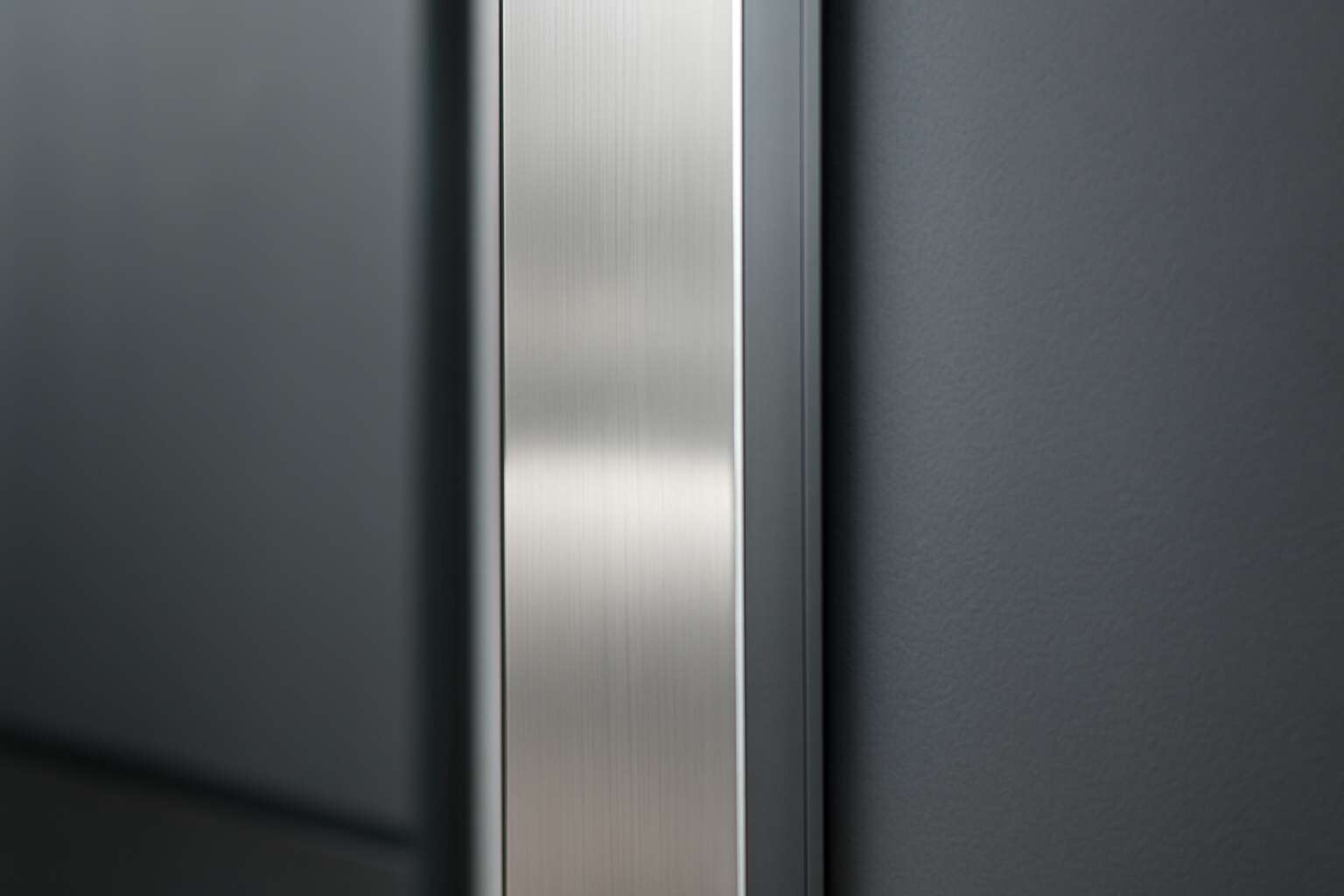
Overview of aluminium door sealing profiles
Key benefits for doors and frames
South Africa’s homes endure scorching summers and chilly winters, and a drafty doorway can sap warmth fast. A recent study finds up to 20% of home energy is wasted through gaps around doors, a cost you can reduce with a simple solution: aluminium door strip!
Overview of sealing profiles: These strips sit along the frame, creating a tight seal when the door closes. They are durable, corrosion-resistant and available in finishes that suit both urban and rural homes across SA.
Key benefits for doors and frames include the following:
- Improved insulation and draught protection
- Low maintenance and longer frame life
- Enhanced aesthetics and easier cleaning
Common types and profiles
South Africa’s homes endure scorching summers and chilly winters, and a drafty doorway can sap warmth fast. A recent study finds up to 20% of home energy wasted through gaps around doors, a cost you can curb with an aluminium door strip.
These sealing profiles sit along the frame, forming a tight seal when the door closes. They’re durable, corrosion-resistant, and offered in finishes that suit both urban and rural SA homes, blending practicality with quiet sophistication.
Common types and profiles include:
- Compression seals that press evenly against the leaf
- Brush seals with nylon filaments that sweep the gap
- Pile seals for smooth, low-friction contact
- Bulb seals that create a continuous exterior barrier
Finished options range from anodised to powder-coated hues, ensuring it complements any entryway.
Choosing the right size and length
Around South Africa, the draft’s whisper is a thief of comfort and cost. A recent study shows up to 20% of home energy slips through door gaps, a haunting figure that worsens heat in summer and chill in winter. A well-chosen aluminium door strip may curb that loss.
Overview of aluminium door sealing profiles Choosing the right size and length for an aluminium door strip begins with precise measurements. Oversized strips bind; undersized leaves gaps. Consider the door leaf, frame clearance, and mounting surface. Here are quick sizing notes:
- Measure from floor to top of the door in three places
- Check frame perpendicularity and uniform gap
- Plan for corner transitions and any threshold hardware
Opt for an adjustable profile where possible to accommodate seasonal swelling, especially in coastal SA climates. This attention to scale ensures the aluminium door strip seals firmly, quietly, and with lasting performance.
Cost and installation time considerations
Every home in South Africa wrestles with drafts and rising energy costs. Up to a fifth of heating energy escapes through door gaps, turning winter into a costly season. An aluminium door strip provides a quiet, durable shield—slipping into gaps, sealing air without shouting for attention. The overview of aluminium door sealing profiles reveals options that adapt to seasons, resist corrosion, and keep interiors comfortable long after the door closes.
Cost and installation time considerations shape every choice. The price of an aluminium door strip hinges on profile type, length, finish and whether professional fitting is included. For a standard doorway, installation often takes a few hours; longer lengths or tricky corners can add time.
- Profile length and finish
- Mounting surface condition
- Corner transitions and threshold hardware
With careful selection, the aluminium door strip becomes a long-lasting ally against drafts.
Materials and finishes for aluminium door strips
Aluminium alloys and corrosion resistance
South Africa’s climate is a hardware gauntlet—salt air, scorching sun, and humid summers. A robust aluminium door strip handles it all; in surveys, resilience tops the vote for 9 out of 10 installations.
Materials and finishes matter. The right choice blends looks with resilience:
- Anodised finishes for natural shine and oxide protection
- Powder-coated coatings in durable hues
- Brushed or polished surfaces that resist fingerprints
Aluminium alloys and corrosion resistance work in tandem. 6xxx-series alloys like 6060 and 6063 provide strong extrusion and a protective oxide layer that resists moisture and coastal chlorides. The film is self-healing; keep dissimilar metals apart to deter galvanic attack.
Powder coating vs anodizing finishes
In South Africa’s sun-scorched and saline airscape, the aluminium door strip must do more than catch the eye. It stands up to UV, humidity, and coastal breezes with quiet, confident resilience.
Powder coating vs anodizing finishes offer two robust paths to this balance. Here’s how they differ:
- Powder coating: durable baked-on color, excellent UV and scratch resistance, and a broad palette that keeps urban doors looking fresh for longer.
- Anodizing: natural oxide film that enhances corrosion protection, preserves a metallic sheen, and is easier to maintain on brushed or polished surfaces.
For the South African climate, a careful choice matters more than fashion. Powder coatings stand up to sun and fingerprints in busy entrances, while anodized finishes maintain a restrained glow that pairs well with timber or glass accents.
Whichever path, pairing with the right alloy and avoiding dissimilar metals helps the protective layer endure coastal summers.
Color options and aesthetics
In South Africa, every entryway fights sun, humidity, and coastal air with a blend of bravado and grit. An aluminium door strip should glitter without fading and endure without drama. It’s not just metal; it’s resilience in disguise.
Materials and finishes pair with SA’s climate like a well-matched suit. Anodized or powder-coated options resist UV, salt, and fingerprints, while base alloys lean into corrosion resistance. Avoiding dissimilar metals helps the metal stay honest and proud.
Color options and aesthetics shape curb appeal as much as function. The right shade can whisper steel or suit timber-and-glass sophistication—without shouting.
- Satin silver, graphite, champagne
- Wood-inspired tones
- Matte black or deep blue
Ultimately, the aluminium door strip stands as a design ally—quiet, durable, and ready for a salt-kissed horizon.
Compatibility with door materials and frames
South Africa’s entryways endure sun, humidity, and salty coastal air with more grit than glamour. The aluminium door strip steps in as a quiet, reliable ally—shimmering without fading and standing tall when weather throws a tantrum at the hinges.
Finishes matter almost as much as fit. Anodized or powder-coated options shrug off UV, salt, and fingerprints, while base alloys lean into corrosion resistance. Avoid dissimilar metals to keep the hardware honest and the door stripe proud.
For compatibility with door materials and frames, consider these common pairings:
- Timber frames for a warm, classical vibe
- uPVC frames for low maintenance and clean lines
- Steel or aluminium frames for a modern, robust profile
- Composite frames that blend performance with aesthetics
In the salt-kissed horizon of SA homes, the aluminium door strip remains a dependable design ally—subtle, durable, and utterly unfazed by weather.
Installation and fitting considerations
Measuring and cutting to fit
Across South Africa’s sun-baked towns, a single well-fit aluminium door strip can keep dust out and warmth in, saving energy year after year. It’s not flashy, but it’s dependable—like a trusted pair of boots on a long country road.
Measuring and cutting to fit demands care: accuracy matters for a clean look and a reliable seal, preventing gaps that let dust and draughts creep in. Leave room for a little flexibility in the frame and edges to accommodate movement.
- Accurate measurement across the door frame, checking top, middle, and bottom to accommodate any lippage.
- Allowance for expansion and contraction in SA’s climate to avoid binding.
- Edge finishing and compatibility with weather seals to preserve aesthetics and function.
- Final validation with the door in place to ensure a quiet, snug fit without gaps.
With careful fitting, the strip becomes quiet and snug, enduring SA’s sun and dust.
Adhesive vs mechanical fixings
Across South Africa’s sun-scorched towns, a single aluminium door strip can decide how long comfort holds. Even a tiny 2 mm gap invites dust and warmth to drift, nudging energy bills higher. Installation choices shape not just looks but resilience, sealing, and quiet at dawn. The aluminium door strip, when fitted with intention, becomes a quiet guardian against wind and grit.
Two main routes dominate: adhesive fixings and mechanical fixings. Each suits different frames and living rhythms:
- Adhesive fixings: clean lines, quick install, but depend on surface compatibility and cure time.
- Mechanical fixings: robust hold for flexing doors, but may reveal edge hardware.
- Hybrid options: balance aesthetics with durability where needed.
Choose with climate in mind; the rest follows the rhythm of frame and seal.
Sealing to prevent drafts and water ingress
In SA’s wind-hungry mornings, a tight seal is half the battle. An aluminium door strip, fitted with intention, acts like a quiet bouncer—keeping drafts and dust on the outside while you sip rooibos in peace.
Sealing to prevent drafts and water ingress matters because even a 2 mm slip invites wind, rain, and the occasional leaf to slip inside. The trick is thoughtful alignment, surface compatibility, and seals that tolerate sun and heat without sagging.
- Exterior-grade sealants and gasket materials suited to the South African climate.
- Tolerance for thermal expansion so the strip stays snug across seasons.
- Materials and finish that prevent moisture entrapment and edge corrosion.
When fitted with care, the aluminium door strip becomes a quiet guardian—reducing drafts, blocking grit, and preserving a calm threshold at dawn.
Adjustments for thresholds and floor coverings
In SA’s wind-swept mornings, doors deserve a steadfast guardian. An aluminium door strip, fitted with care, becomes the quiet hinge of calm—snug against the frame, guiding the door to kiss its seal and stand firm against drafts.
Adjustments for thresholds and floor coverings matter; each surface adds height and movement. Measure with care to avoid pinch at the sill and keep a clean line across carpets, tiles, and timber.
- Threshold height and expansion gap.
- Floor covering thickness and finish alignment.
- Door swing clearance with the strip.
Surface prep and fixings come next. Choose methods that resist vibration and moisture; corrosion-resistant screws often outlast adhesives in SA climates. Ensure the strip sits square to the door and compresses the seal.
When alignment is true, the aluminium door strip becomes a quiet sentinel—flowing with the floor and seasons, never clinging or sagging.
Maintenance, durability, and sustainability
Cleaning and rust prevention
“Durability pays in quiet corners,” a SA contractor likes to say, and aluminium door strip proves the point. In our climate, clever finishes and sensible care keep appearances sharp far longer than flashier rivals.
Its natural oxide layer fights the elements, so the aluminium door strip stays functional and tidy even under sun, rain, and coastal breeze. Recyclability sweetens the deal, slashing your project’s lifecycle footprint.
Cleaning and rust prevention are straightforward in concept: the protective oxide does most of the work, and gentle care helps preserve the finish.
All told, aluminium door strip means durability, reduced upkeep, and the option to recycle down the line—an environmental win with lasting performance.
Wear and damage indicators and replacement timing
A doorway that ages with grace wears a quiet crown: the aluminium door strip. In South Africa’s sun and coastal gusts, it stands up to weather, offering steady service and simple care. Its natural oxide fends off the elements, keeping finishes sharp and hinges true after years of daily use. Durability here is practical poetry!
Maintenance, durability, and sustainability reveal wear’s patterns; watch for:
- Gloss dulls in high-traffic zones
- Seal compression yields small drafts
- Fixings loosen at coastal edges
Recycling at end of life makes replacement timing kinder to the planet, shrinking your lifecycle footprint while keeping energy, comfort, and the door’s quiet integrity intact. The strip endures, and so does responsibility.
Maintenance tips for long life
South Africa’s morning sun is relentless, and the aluminium door strip stands as a quiet sentinel, aging with grace. Maintenance for long life becomes a rhythm rather than a chore—a mindful glance, a polish here, a check there, a respect for the cycle of use.
Durability here is practical poetry: the strip wears a weatherproof cloak that trims drafts and keeps hinges singing. In sustainable practice, longevity reduces waste and energy. A mindful gaze catches wear before it becomes visible to guests, aligning form with function over time.
- Gloss retention becomes a shared everyday observation
- Seals remain responsive as coastal humidity shifts
- Fixings stay aligned with frame movement
Such thinking travels beyond doors, shaping how we share spaces.
Recycling, disposal, and environmental impact
South Africa’s sun can draft a tale across a doorway, but the aluminium door strip stands as a quiet sentinel, ageing with grace. For us, maintenance is a rhythm, not a chore—a mindful glance, a gentle polish, a respect for the cycle of use. Durability reads as practical poetry: a weatherproof cloak that trims drafts and keeps hinges singing, while longevity reduces waste and energy, letting spaces breathe easier as seasons turn.
- Recyclability keeps the metal in play, reducing landfill and conserving resources
- Long service life means fewer replacements and less embodied energy
- Low maintenance footprint lowers ongoing environmental impact
At disposal, the story continues: recycling streams reclaim the alloy, closing the loop and lightening the environmental load. The result is enduring design that respects the South African landscape and its people.

0 Comments