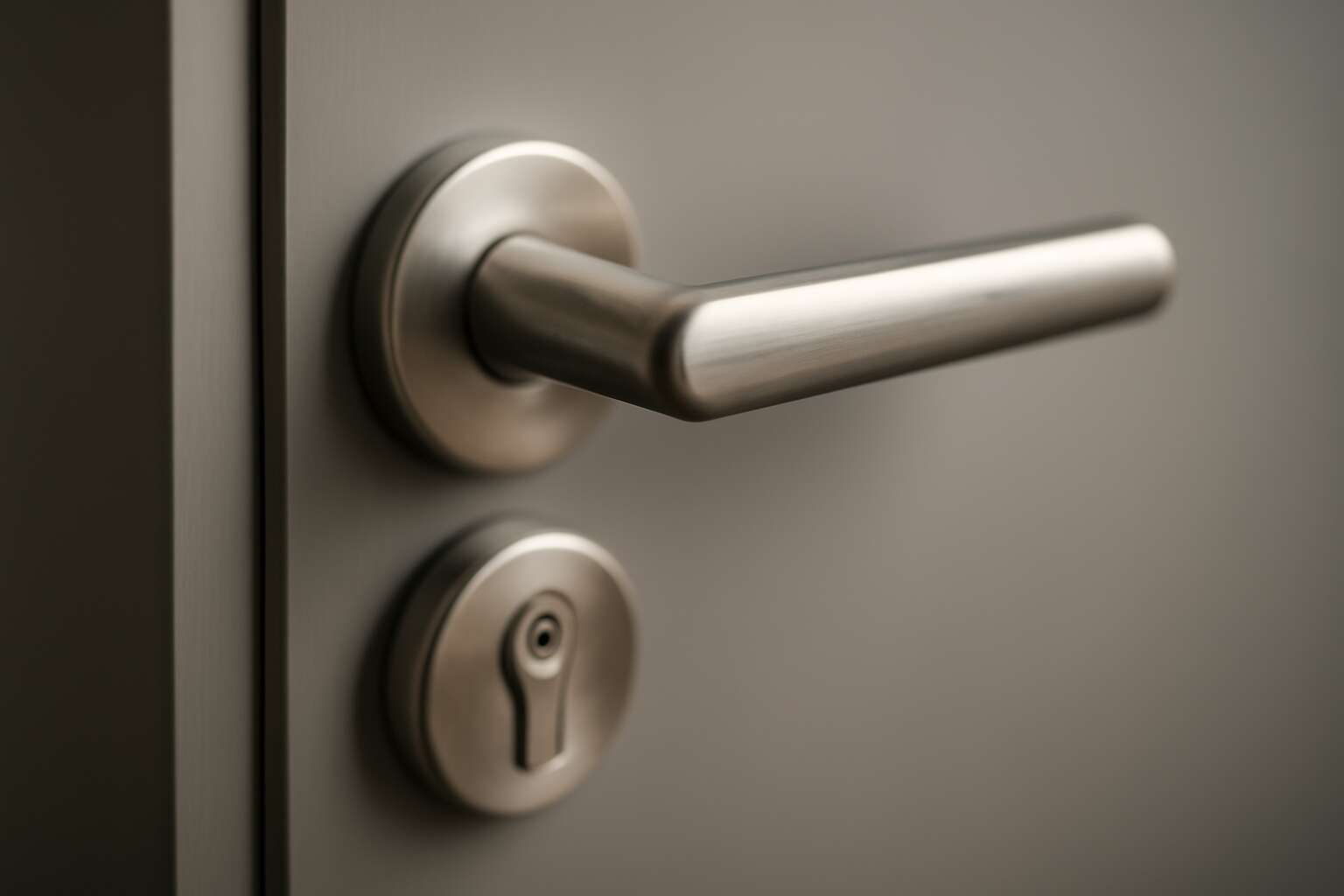
Overview of aluminium locking hardware for doors
What is aluminium locking hardware
Across South Africa’s diverse climates, a door is more than entry—it’s a statement. An aluminium door lock combines feather-light aesthetics with rugged reliability, standing up to coastal humidity and inland heat. When you turn the key, you feel craftsmanship in motion; when you admire the lines, you glimpse modern engineering built for durability. This overview introduces the essence of aluminium locking hardware for doors and how it shapes security without sacrificing style. It’s a statement you feel with every touch!
- Corrosion resistance tailored for coastal and inland environments.
- Low maintenance with smooth, dependable operation.
- Finish versatility, from powder-coated hues to natural anodised tones.
Paired with smart door designs, the aluminium door lock becomes a quiet guardian of entrances, balancing strength, efficiency, and aesthetics.
Key advantages of aluminium locking systems
Aluminium door lock systems bring a sharp blend of elegance and grit to South African homes. Aluminium’s global recycling rate around 75% isn’t just green bragging; it’s practical—lighter, stronger hardware with fewer upkeep surprises. The aluminium door lock is a precision instrument: standing up to sun, salt, and those surprise Cape gusts, while still sliding shut with a satisfying click.
Here are the key advantages of the aluminium door lock:
- Lightweight yet sturdy construction keeps handling effortless and ensures smooth operation of the aluminium door lock.
- Extensive finish options—from powder-coated hues to natural anodised tones—let South African exteriors express themselves.
- Robust resistance to coastal salt and inland heat extends lifespan and reduces long-term costs.
Common configurations and use cases
Aluminium is endlessly recyclable—about 75% of aluminium ever produced remains in use. That practicality slides straight into hardware: an aluminium door lock pairs minimalist aesthetics with rugged resilience, built to shrug off sun, salt, and Cape gusts. It’s the kind of lock that looks sharp, works smoothly, and ages gracefully in South African environments.
- Multipoint locking systems for added security and weather sealing
- Lever or handle sets with integrated escutcheons for modern aesthetics
- Cylinder-based mortice locks for trusted entry control
- Smart or electronic variants for convenient access without compromising security
Common configurations span residential fronts, back doors, and patio sliders, where corrosion resistance and light handling matter most. In coastal towns and inland heat, aluminium locking hardware keeps its finish and performance with fewer upkeep surprises, making it a practical choice for South African homes.
How locking hardware integrates with door frames and finishes
Locking hardware does more than keep doors shut; it negotiates the relationship between door leaf and frame. In South Africa, an aluminium door lock stands up to sun, salt, and Cape gusts while aging with a dignified patina. It blends minimalist aesthetics with rugged practicality, letting frames breathe and doors move with a quiet, confident ease.
Integration with frames and finishes comes down to a few essentials:
- Precise hinge and strike alignment for smooth operation
- Flush escutcheons that preserve clean lines along the face
- Frame compatibility across timber, steel, and composite profiles for retrofit projects
The right pairing ensures seamless alignment, weather sealing, and a coherent appearance across surfaces, letting the door and its hardware age gracefully together.
Materials and durability of aluminium locking mechanisms
Aluminium alloys and strength-to-weight ratio
Across South Africa, doors are ground zero for security concerns—up to 70% of break-ins begin at the entry point, making a well-chosen aluminium door lock a critical line of defence. The secret lies in materials: high-grade aluminium alloys paired with durable finishes give lasting performance without heavy hardware. Alloys such as 6063 and 6061 deliver an impressive strength-to-weight ratio, keeping locks resilient yet easy to operate. Anodized or powder-coated surfaces resist the harsh coastal air, inland humidity, and relentless sun, preserving function and appearance for years of reliable service.
- Excellent corrosion resistance in SA’s coastal and humid environments
- High strength-to-weight ratio supports smooth operation and longer life
- Finish compatibility through anodizing or powder coating
Together with precise tolerances and hardened internal parts, this hardware becomes a quiet guardian of the home and office, reducing maintenance and downtime. The aluminium door lock you choose translates strength into daily security.
Corrosion resistance and weather suitability
Coastal towns and heat-streaked inland suburbs alike underline a hard truth: a lock is only as strong as its materials. In premium aluminium door lock hardware, resilience becomes daily security and years of dependable service.
Corrosion resistance is the cornerstone of durability. These mechanisms shrug off humidity and salt spray, maintaining smooth operation through changing temperatures.
- Salt spray and humidity resistance
- UV stability for sun exposure
- sealed internal components to deter grit
Built to endure, this hardware translates climate into confidence. This unit holds its alignment under wind, rain, and sun, turning strength into everyday security!
Coatings and finishes for extended life
Climate is a silent auditor of door hardware, and an aluminium door lock must pass its tests. A lock is a shield wrapped in metal, and the right alloy keeps its temper when salt spray and sun glare test it to the limit. “A secure lock is quiet until it’s,” a veteran locksmith says, and this quiet strength comes from materials that stay true under pressure.
Coatings and finishes extend life by resisting UV, humidity, and abrasion. A well-chosen finish seals internal parts, reduces grit ingress, and preserves smooth operation—crucial for SA homes where coastal winds meet inland heat. The aluminium door lock then remains aligned and dependable, day after day.
- Anodised finishes deepen corrosion resistance and maintain a natural metal sheen
- Powder coatings add color and UV protection for long-term appearance
- PVD or fluoropolymer coatings offer superior wear resistance in harsh coastal climates
Compatibility with different door types
Material matters. An aluminium door lock crafted from 6000-series alloys blends lightness with stiffness, holding its temper through thousands of cycles and resisting creeping deformation. The result is a mechanism that delivers a smooth, quiet operation long after the first install. With precise machining and inherent corrosion resistance, salt spray or inland heat won’t derail alignment, so the lock stays true and reliable in South African homes.
- Timber doors with mortise installations
- Steel or aluminium frames for exterior entries
- Composite and uPVC panels for contemporary designs
Compatibility goes beyond metal. An aluminium door lock can be configured for surface-mount, mortise, or multipoint setups, adapting to flush or panel doors, hollow-core interiors, and solid timbers. When properly specified, its mounting tolerances keep doors aligned and operation effortless—year after year.
Security features and certification standards
Lock types and core security features
Every secure home starts with a lock that thinks ahead. Security features on an aluminium door lock blend reinforced steel, anti-drill plates, and certification to trusted standards to deter intrusion. In South Africa, SABS-certified hardware and EN 12209-compliant mechanisms signal quality, while anti-pick cylinders and robust bolts form the core of dependable protection.
Lock types and core security features include:
- Mortice locks with reinforced cases for timber and metal doors
- Cylindrical or euro-profile cylinders with anti-pick and anti-bump features
- Multi-point locking systems for maximum bolt throw and door alignment
- Smart lock options with tamper alerts and remote access integration
With the right combination, your entrance becomes a steadfast guardian for homes across South Africa.
Anti-tamper and pick resistance technologies
Security is a daily promise kept at the threshold. A growing trend in South Africa has homeowners investing in certified aluminium door lock hardware to safeguard what matters most.
Robust standards guide the design: SABS-certified hardware and EN 12209-compliant mechanisms signal enduring quality. Anti-tamper and pick resistance technologies blur the line between art and armour, from anti-drill plates to hardened bolts. The heart of a dependable aluminium door lock is a multi-layer defense that adapts to urban and coastal climates alike.
- Anti-pick cylinders and anti-bump features
- Anti-drill plates integrated into reinforced housings
- Multi-point locking with robust bolt throw
With these elements, the entrance remains a steadfast guardian, while the door’s elegance is preserved by the corrosion-resistant finish of hardware.
Industry standards and certifications (EN, UL, etc.)
Security isn’t a feature; it’s the premise that begins at the threshold. In South Africa, homes fitted with certified hardware report calmer nights and fewer headaches. A well-chosen aluminium door lock is a quiet powerhouse, blending style with steel-strong security from the moment you turn the key.
Industry standards and certifications lay the rails for performance: third-party marks ensure consistency across environments—urban heat, coastal salt spray, or inland dust. Look for these benchmarks:
- EN 1303 cylinder security
- EN 1627-1630 burglar resistance
- UL 437 high-security cylinders
- SABS/SANS marks
When the seal is recognised, the hardware becomes a reliable guardian against the mischief and mayhem that lurk outside the door.
Impact and abuse resistance considerations
Security is not a feature; it’s the premise that begins at the threshold. In South Africa, homes fitted with certified hardware enjoy calmer nights and fewer headaches, because an aluminium door lock that’s properly chosen becomes a quiet guardian rather than a gamble.
Certification marks act as rails for performance, ensuring the lock stands up to sun, coastal spray, or inland dust. A reputable product should carry third-party verification, signaling that the mechanism and cylinder are designed to survive real-world abuse rather than merely look the part.
Abuse-resistance considerations come down to core security features—anti-drill and anti-pick elements, robust cylinders, reinforced strike options, and weatherproof bodies that resist corrosion. When these combine with smart engagement with the frame, you gain reliable, long-term protection that’s as understated as it is effective. An aluminium door lock earns its keep in the long run.
Key management and master key systems
Security begins at the threshold, and a well-chosen aluminium door lock acts as a quiet guardian rather than a gamble. In South Africa, that guardian must endure sun, dust, and coastal spray while protecting entryways!
Trust comes through certification and robust design. Look for third-party verification and local standards such as SABS approvals, plus international benchmarks. A lock should combine anti-drill and anti-pick elements with rugged cylinders and reinforced strikes, all housed in weatherproof bodies.
- Third-party verification from trusted bodies (SABS, international equivalents)
- Anti-drill and anti-pick design with hardened cylinders
- Reinforced strike options and weatherproof housing
Key management and master key systems secure multiple doors without sacrificing control. For SA properties, define access levels, monitor key duplication, and use restricted-key systems that resist impressioning. An aluminium door lock that fits a managed master key plan brings peace of mind for residents and managers.
Design, aesthetics, and integration with door systems
Finish options and colour matching
Design and aesthetics shine when an aluminium door lock becomes more than hardware—it’s a statement on the doorway’s story. The sleek, lightweight profile preserves door lines while offering durability, and concealed fixings keep the silhouette seamless. In vibrant South Africa, these locks can raise perceived security by up to 30%, turning everyday entrances into gateways of confidence!
- Powder-coated schemes for enduring colour
- Anodised finishes from natural to bronze tones
- Dual-tone configurations to align with frames
Finish options and colour matching extend the narrative, letting doors speak with sun, sea, and shelter. Co-ordinating with door frames and hardware results in a harmonised, timeless look that adapts to both coastal winds and city heat.
Profile compatibility with door thickness and frames
A doorway is a theatre; the right aluminium door lock writes the first line of its story with confidence and restraint. The design preserves door lines with a slim, uninterrupted profile, while the mechanism stays tucked away, letting hardware fade into the frame and the cycle of entry feel almost ceremonial.
- Slim, continuous sightlines that complement flush frames
- Concealed fixings for a seamless façade
- Flexible compatibility with common door thickness ranges
It also speaks to compatibility with your door system, balancing thickness and frame profiles so installation is seamless.
In practical terms, a well-matched aluminium door lock reduces install time and misalignment, ensuring that the finish remains pristine even in coastal or urban climates—where frames and seals flex with heat and wind.
Impact on energy efficiency and weather sealing
The door is the first line of a room’s narrative—clear, deliberate, and never shouting. An aluminium door lock sits at the intersection of design and restraint, forming a slender accent that won’t hijack the eye. Its profile remains slim while the inner workings stay tucked away, letting the frame breathe.
Design and integration matter as much as security. When hardware aligns with frame shapes and door thicknesses, installation feels seamless. A well-matched aluminium door lock reduces misalignment, keeps finishes pristine in South Africa’s coastal and urban climates, where frames flex with heat and wind, and it supports energy efficiency by minimizing air leakage around the door.
To illustrate design-minded benefits, consider these attributes:
- Concealed fixings preserve a seamless façade
- Low-profile hardware fades with flush frames
- Flexible compatibility across common door thickness ranges
- Gasket-friendly interfaces improve weather seals
Smart features and digital integration
Smart doors are quietly rewriting energy bills in South Africa. Design, aesthetics, and seamless integration aren’t afterthoughts here—they’re the whole signal. An aluminium door lock offers a slender silhouette that stays out of sight while the mechanism stays tight and reliable. Its profile complements frames and door thicknesses so the hardware looks built-in, not bolted on. In coastal and urban climates, this understated approach helps weather seals perform without compromising style.
Think of smart features and digital integration as the new norm: keyless entry, battery health monitoring, status alerts, and remote locking that still respects a clean façade.
- Hidden fixings preserve clean lines
- Flush-mounted hardware blends with frames
- Broad compatibility with standard door thicknesses
- Seals sized to work with gasket materials
Installation, maintenance, and troubleshooting for aluminium locking hardware
Choosing the right mounting hardware and screws
A well-chosen aluminium door lock begins with the right mounting hardware for your door’s gauge. In South Africa’s climate, opt for corrosion-resistant screws and fittings, and ensure the lock sits true to the edge. A properly installed system stays dependable, year after year.
Maintenance is simple: keep the mechanism clean, use a light silicone-based lubricant on moving parts, and watch for wear on the frame and strike. Coastal and inland SA conditions call for finishes that resist chalking and corrosion over time.
Troubleshooting centers on signs, not theatrics: a latch that won’t engage may hint at misalignment with the strike or loose screws. Watch for corrosion under fittings and frame movement, then consider these quick observations:
- Strike plate alignment
- Fastener security
- Fittings corrosion
These observations help maintain security without fanfare.
Step-by-step installation considerations
A well-fitted aluminium door lock is the quiet guardian of your home’s security. As one installer says, “the lock is the last line of defense you never see.” South Africa’s climate rewards precise, edge-aligned installations, yielding years of dependable performance with minimal maintenance.
- Verify door thickness and strike alignment before mounting.
- Position the lock body exactly along the door edge and mark screw holes.
- Pre-drill for corrosion-resistant screws and fix the lock firmly.
- Test the latch; adjust strike clearance if needed before final tightening.
Maintenance and troubleshooting come down to simple care: keep the mechanism clean, apply a light silicone-based lubricant to moving parts, and monitor frame movement. If the latch sticks or misaligns, check screw security and alignment; address any corrosion or loosened fittings promptly to preserve security.
Lubrication and routine maintenance
Security is a quiet vow, and an aluminium lock keeps it intact through sun and rain. In South Africa, a well-fitted lock becomes a fortress that works without ceremony. “A lock is the silent guardian of a home,” says a veteran installer.
Maintenance and lubrication preserve that quiet reliability. Regular care helps the mechanism glide; silicone-based lubricants are preferred for aluminium door lock components, defending against moisture and wear.
- Smoother operation
- Consistent latch engagement
- No visible corrosion
Troubleshooting comes down to observation: a latch that lags, subtle misalignment, or frame movement can signal wear. When signs appear, consult a professional to safeguard the mechanism and preserve your entrance’s quiet strength.
Common installation issues and fixes
Installing an aluminium door lock is the moment safety becomes visible. A well-fitted lock can cut breach risk by up to 60%. Poor fits show fast: doors rub, latches miss, and screws loosen. Common issues include misalignment with the strike plate, uneven gaps around the frame, and loose mounting screws that shake in a storm. In South Africa, a precise fit keeps the hardware secure and our entry true.
For this lock, maintenance keeps that seal intact. Regular checks and careful lubrication matter. Use a silicone-based lubricant to resist moisture and wear. Keep finishes clean, and watch for wear on the finish or fittings.
- Smooth latch engagement
- No visible corrosion
- Consistent latch alignment
Troubleshooting comes down to observation: a latch that lags, subtle misalignment, or frame movement can signal wear. When signs appear, consult a professional to safeguard the aluminium door lock and preserve your entrance’s quiet strength.
Buying guide: how to choose the right lock for residential and commercial doors
Assessing security needs and door type
Across South Africa, a secure doorway can be the difference between safety and sleepless nights. A well-chosen lock protects people and property, offering quiet confidence from dawn to dusk.
Buying guide: to choose the right lock for residential and commercial doors, start by assessing security needs and door type. For aluminium door lock applications, compatibility with door thickness and frame construction is essential, along with durability under frequent use and weather exposure.
Next, weigh practical details such as key management and maintenance, letting the environment guide expectations. Consider these factors:
- Door material, thickness, and frame integrity
- Lock grade, certifications, and access control needs
- Maintenance cadence and service support
These considerations help align security strength with everyday life, ensuring the on-the-ground reality of South African doors stays safe and steady.
Cost, warranty, and after-sales support
Across South Africa, a secure doorway is not optional—it’s the difference between restless nights and restful dawns. In this buying guide, cost matters, but so do warranty terms and a local support network. For residential and commercial doors, a reliable aluminium door lock balances security with predictable maintenance and SA service availability.
- Total cost of ownership: upfront price, installation, and ongoing upkeep.
- Warranty terms: duration, what’s covered, and any regional caveats for SA.
- After-sales support: local technicians, spare parts availability, and response times.
Look for a brand with a clear service network and transparent terms; a good warranty and solid after-sales support turn a stylish lock into a lasting guardian for your doors.
Vendor selection and verifying certifications
Security across South Africa’s thresholds is no mere flourish; it’s a pact between door and night. The aluminium door lock, chosen with intent, becomes a steadfast guardian—quiet, resolute, and unrelenting.
Vendor selection and verifying certifications anchor a wise purchase. Look for a partner with transparent terms, a visible local service network, and documented standards compliance. Credibility travels from showroom gloss to long-term resilience.
- Certified by SANS and aligned with EN/UL standards
- South African–based technicians and spare parts availability
- Clear warranty terms, with regional caveats
- Transparent lead times and service level expectations
Choose a brand that folds performance into longevity; the right vendor restores peace of mind as surely as it seals a doorway.

0 Comments